




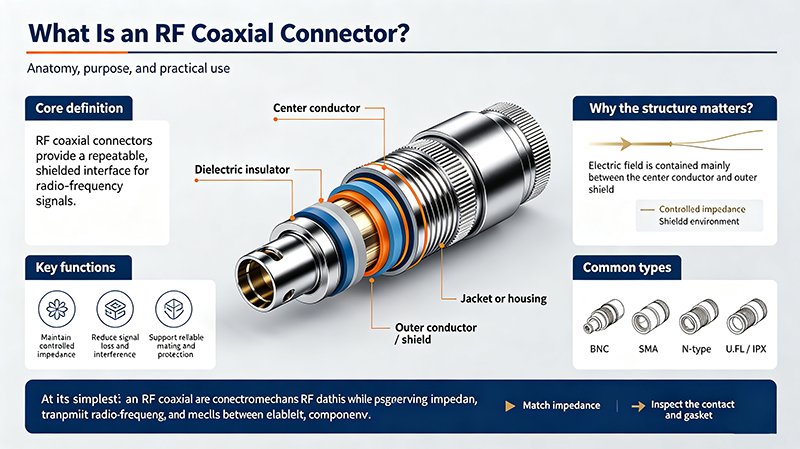
Complete guide to RF coaxial connectors: SMA, BNC, N-type, TNC and more. Compare types, frequencies, impedance and applications with our selection chart.
Sep 15 ,26


5G communication testing, wireless terminal automated testing
Aerospace communication systems
Precision measurement equipment, radio frequency signal control of radar transmitters
Communication and navigation systems
Optical communication module-related testing
Interconnection of wireless communication base stations
In the world of RF and microwave engineering, coaxial connectors are the unsung heroes that ensure reliable signal transmission across a wide range of devices. Among the many connector types available, the SMB connector stands out for its compact size, snap-on coupling mechanism, and solid electrical performance. Whether you are designing a GPS module, setting up wireless infrastructure, or working with test equipment, understanding the SMB connector can help you make informed decisions. This comprehensive guide explains what an SMB connector is, its key specifications, common applications, and how it compares to similar connectors.
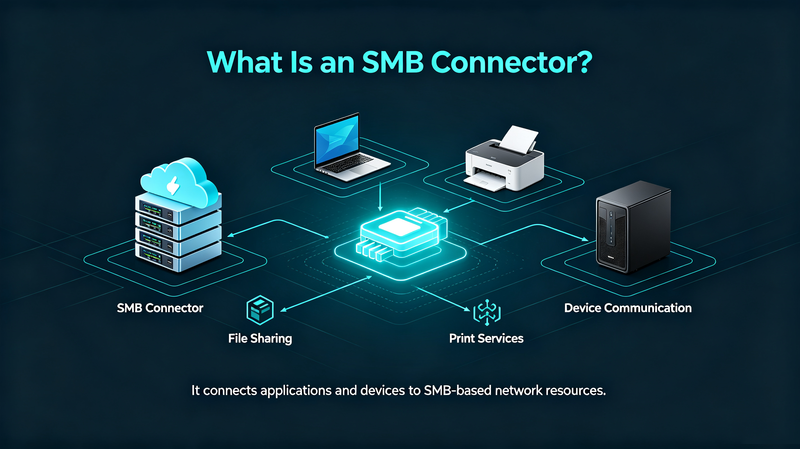
SMB stands for SubMiniature version B. It is a type of coaxial RF connector that was developed to provide a smaller and quicker alternative to threaded connectors like the SMA. The defining feature of an SMB connector is its snap-on coupling mechanism, which allows the connector to be mated and unmated simply by pushing or pulling. This makes it ideal for applications where frequent connections and disconnections are required, or where space is limited.
SMB connectors are available in both 50-ohm and 75-ohm versions, covering a frequency range from DC up to 4 GHz in standard configurations. Some precision SMB connectors can operate at higher frequencies, but 4 GHz is the most commonly cited upper limit for general-purpose use. They are widely used in telecommunications, automotive electronics, instrumentation, and consumer RF devices.
The SMB connector offers a balanced combination of mechanical convenience and electrical performance. Below are the most important characteristics:
| Parameter | Typical Value |
|---|---|
| Impedance | 50 Ω and 75 Ω versions |
| Frequency range | DC to 4 GHz standard |
| Coupling mechanism | Snap-on (push-on / pull-off) |
| Mating cycles | 500 to 1000 cycles |
| Operating temperature | -65°C to +165°C |
| Body material | Brass with gold, nickel, or silver plating |
| Center contact | Beryllium copper or brass, gold-plated |
| VSWR | 1.3:1 or better at specified frequencies |
Because of its small size and ease of use, the SMB connector appears in a wide variety of systems:
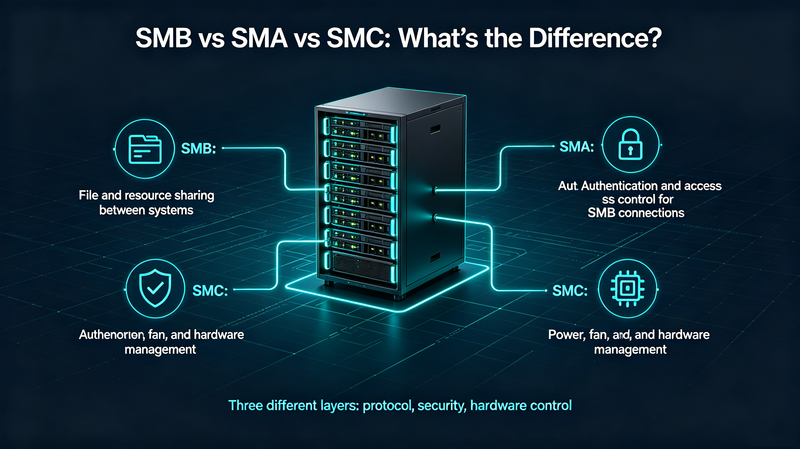
It is easy to confuse SMB with similar subminiature connectors. Here is a quick comparison:
Choosing the right connector depends on your frequency requirements, mechanical stability needs, available space, and how often the connection will be made.
When selecting an SMB connector for your project, consider the following factors:
Proper installation and care extend the life of SMB connectors and maintain signal integrity. Follow these best practices:
SMB stands for SubMiniature version B.
No. SMA uses a threaded coupling mechanism, while SMB uses a snap-on mechanism. SMA typically supports higher frequencies.
Some precision SMB connectors can operate up to 10 GHz, but standard SMB connectors are rated to 4 GHz. Always check the manufacturer's datasheet.
SMC is a threaded version of the SMB connector. SMB is snap-on, while SMC requires threading for a more secure connection.
Standard SMB connectors are not waterproof. For outdoor or harsh environments, look for sealed or weatherproof variants.
The SMB connector is a versatile and compact RF connector that offers quick snap-on mating, reliable performance up to 4 GHz, and broad compatibility with many RF systems. Its small footprint and ease of use make it a popular choice in GPS, wireless communications, automotive, and test equipment applications. By understanding its features and limitations, you can select the right SMB connector for your next design or repair project.
Key takeaway: SMB connectors provide an excellent balance of size, performance, and convenience, making them a practical choice for compact RF systems that require frequent connection cycles.
High-tech Enterprise, Feifeng Talent
Chief Engineer Wang graduated with a master's degree in high-power microwave from the Institute of Electronics, University of Chinese Academy of Sciences.
View Full Profile