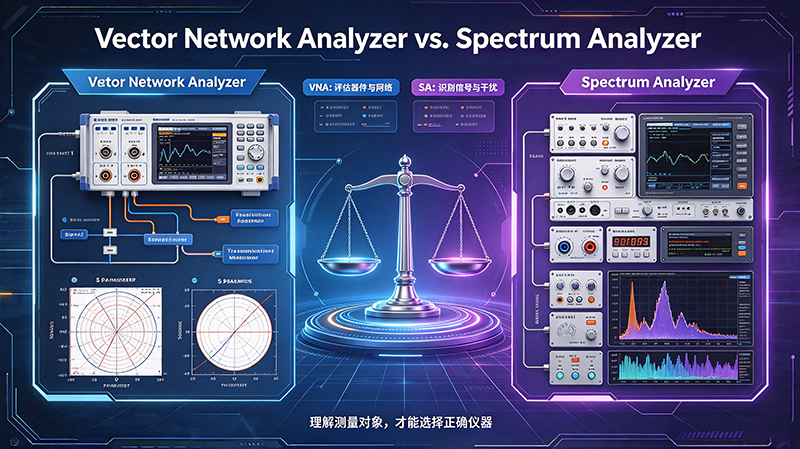




A side-by-side comparison of vector network analyzers and spectrum analyzers: what each measures, when to use which, and how they complement each other in the lab.
Oct 19 ,26


5G communication testing, wireless terminal automated testing
Aerospace communication systems
Precision measurement equipment, radio frequency signal control of radar transmitters
Communication and navigation systems
Optical communication module-related testing
Interconnection of wireless communication base stations

● High Output Power Density
● Wideband High Efficiency
● Excellent Linearity Performance
● Stable Temperature Adaptability
● Multi-Protection Mechanism Integration
● Compatible with Multiple Modulation Schemes
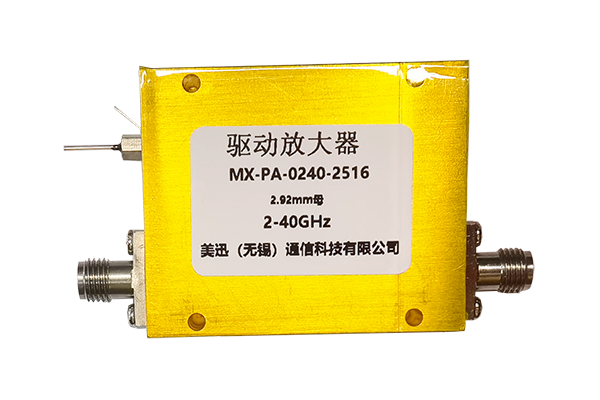
| Part No. | Item | Frequency range | Main Specification | Connector Type | Material | Driver | Size(mm) |
|---|---|---|---|---|---|---|---|
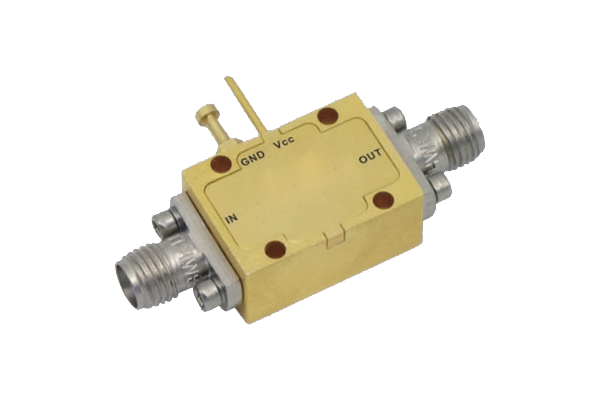
| MX-PA-0240-2516 | Driver Amplifier | 2-40GHz | Gain=25dB,P1=16dBm | 2.92mm Female | Aluminum alloy | 44x36x12mm | VD=+8V,260mA |
| MX-PA-0044-2318 | Driver Amplifier | 9kHz-44GHz | Gain=23dB,P1=18dBm | 2.92mm Female | Gold-plated brass | 44x52x13mm | VD=+8V,260mA |