

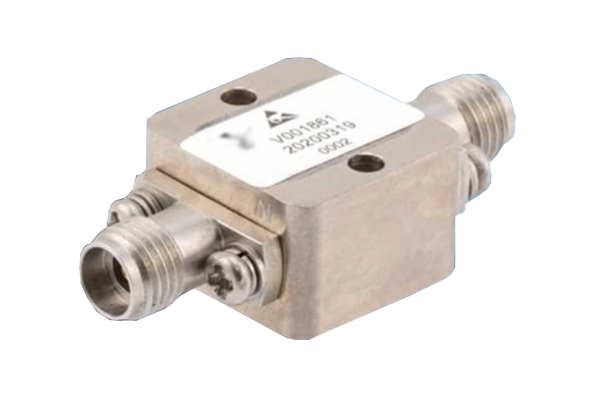
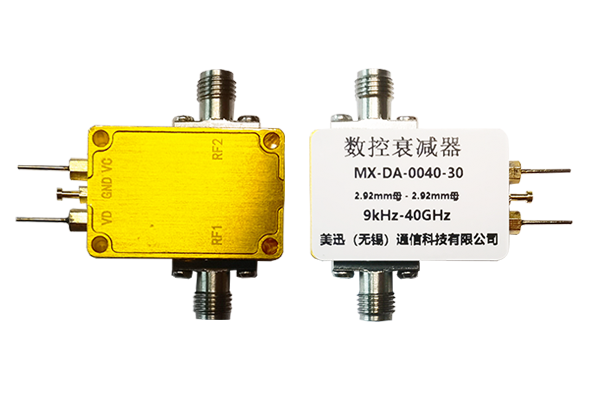
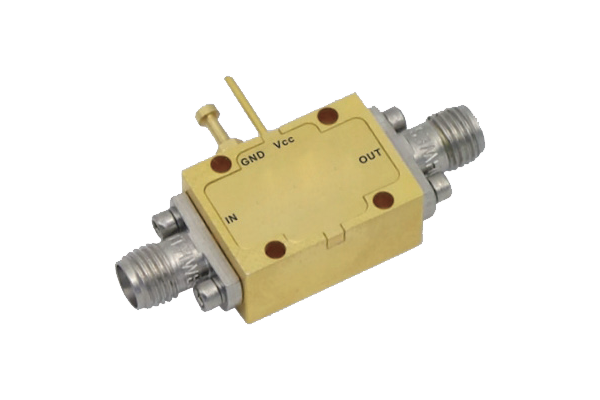
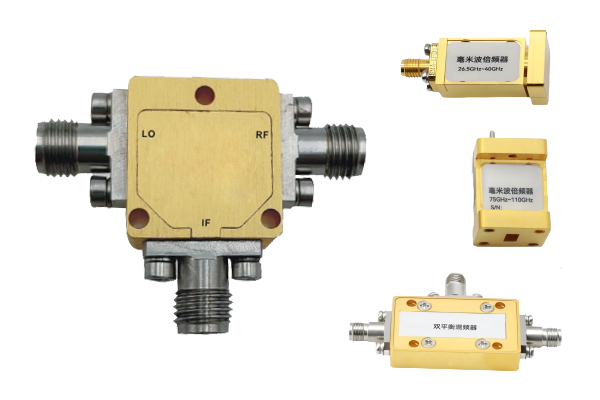
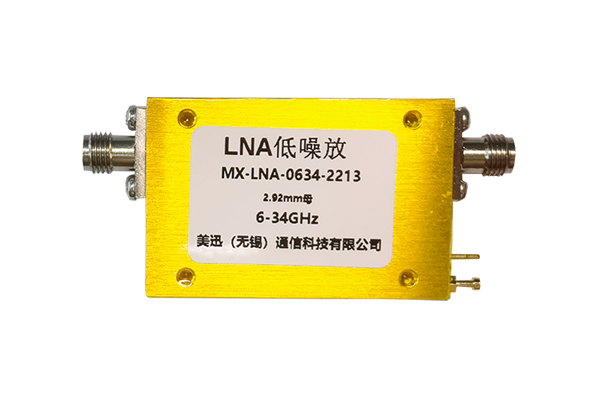
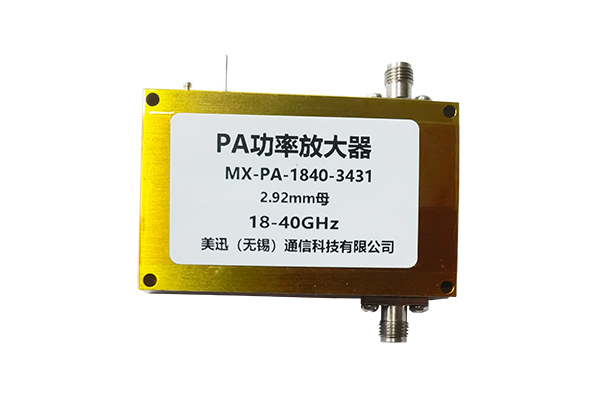
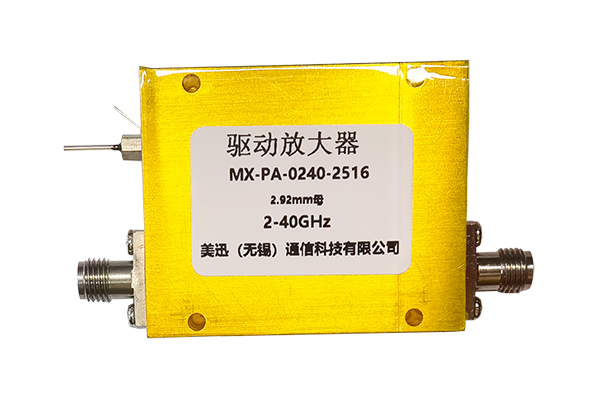




RF coaxial switches are essential components in high-frequency testing systems, automated test equipment (ATE), communication systems, and microwave measurement applications. Selecting the right coaxial switch becomes increasingly important when operating at frequencies up to 67GHz, where insertion loss, isolation, switching speed, power handling, and reliability directly affect measurement accuracy.
This guide explains the key factors engineers should consider when choosing an RF coaxial switch for high-frequency testing applications.
What Is an RF Coaxial Switch?
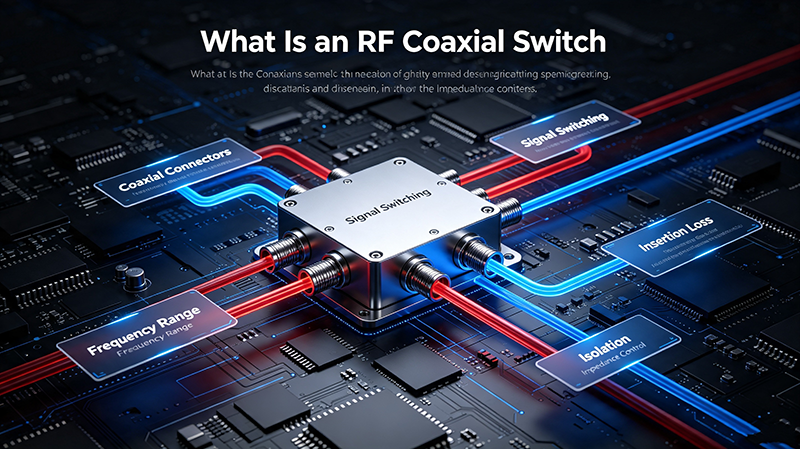
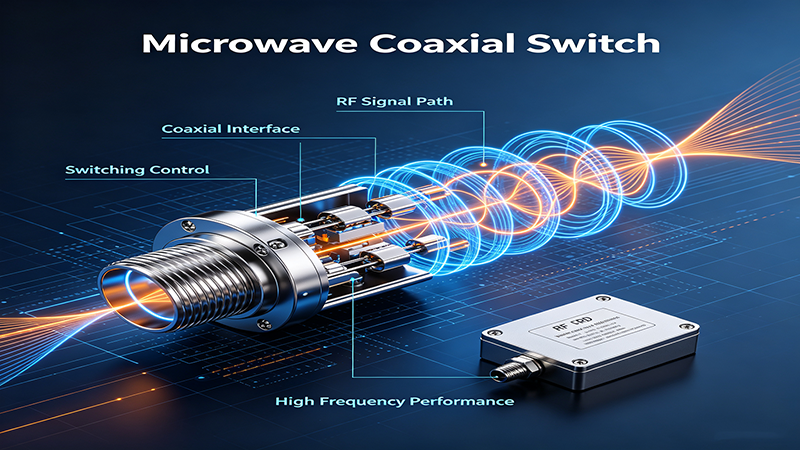
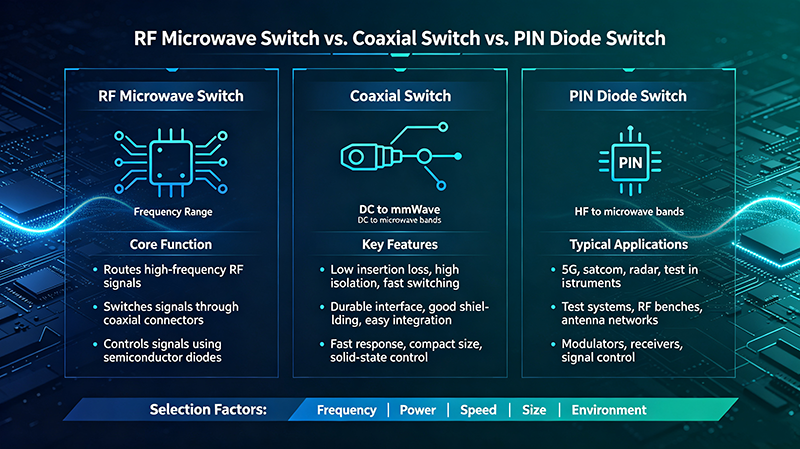
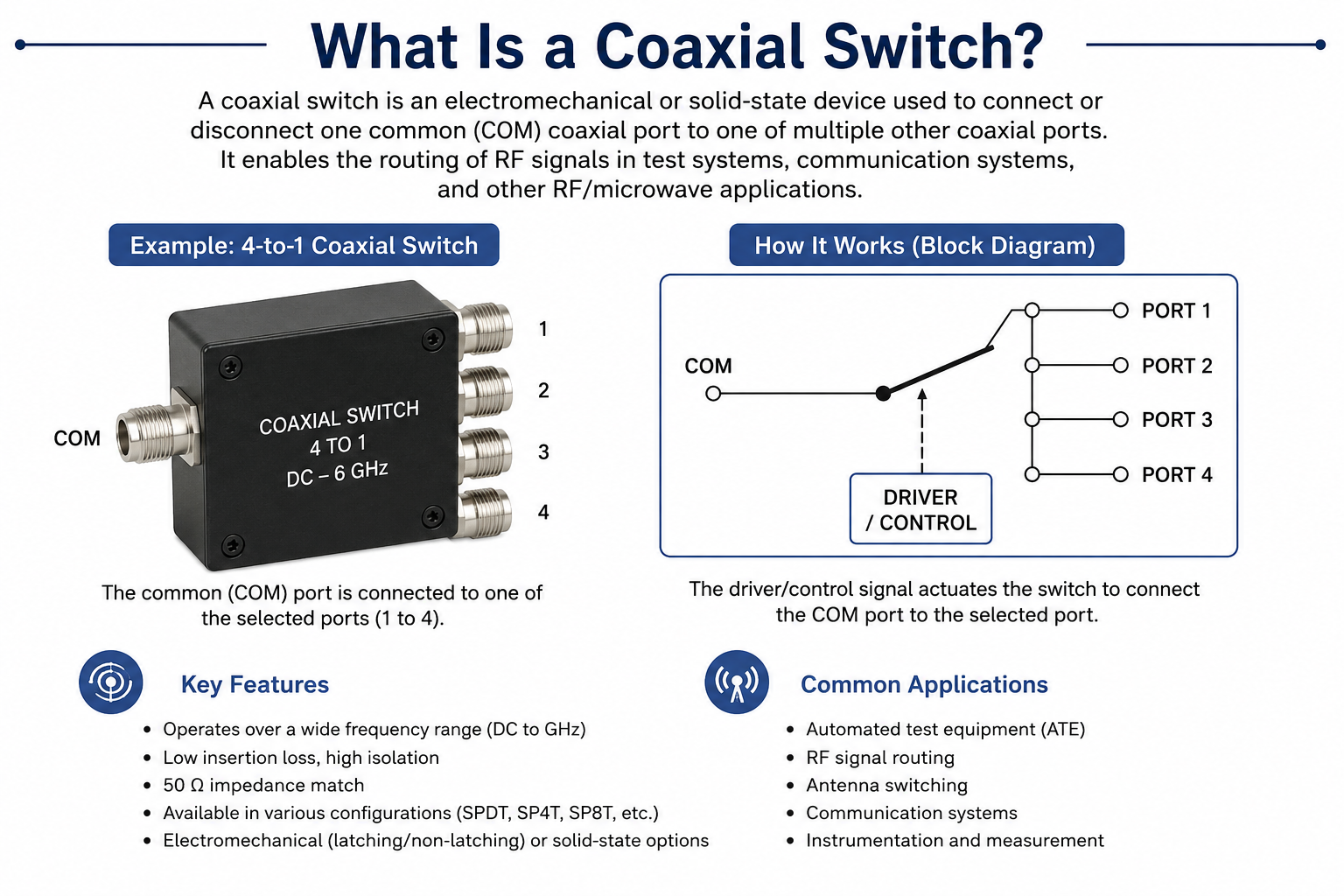
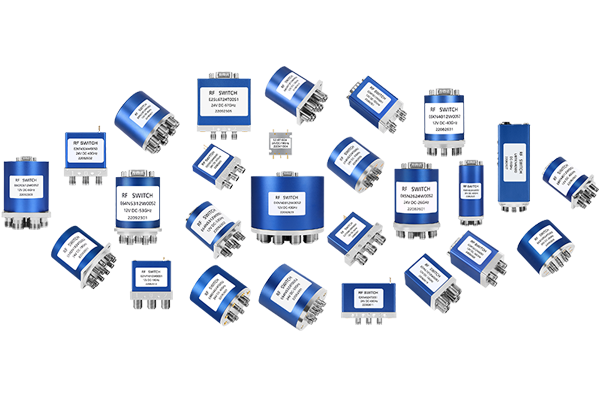
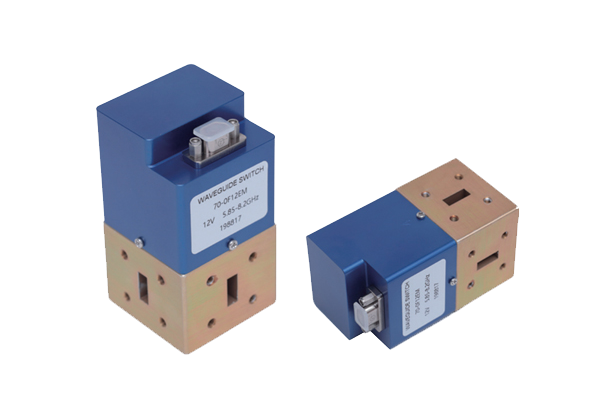
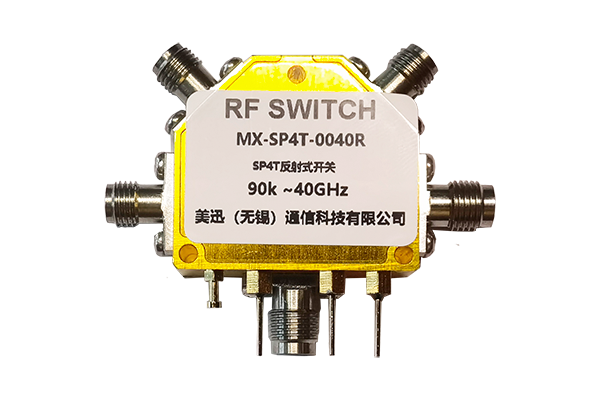
An RF coaxial switch is an electromechanical or solid-state device used to route high-frequency signals between multiple RF paths. It allows engineers to connect, disconnect, or switch signals without manually changing cables or test setups.
In high-frequency testing environments, coaxial switches provide flexible signal routing solutions for network analyzers, spectrum analyzers, RF test platforms, and production testing systems.
Modern high-performance coaxial switches can support frequencies from DC to 67GHz, making them suitable for applications such as 5G testing, satellite communication, aerospace systems, radar testing, and microwave component characterization.
Why RF Coaxial Switch Selection Matters for 67GHz Applications
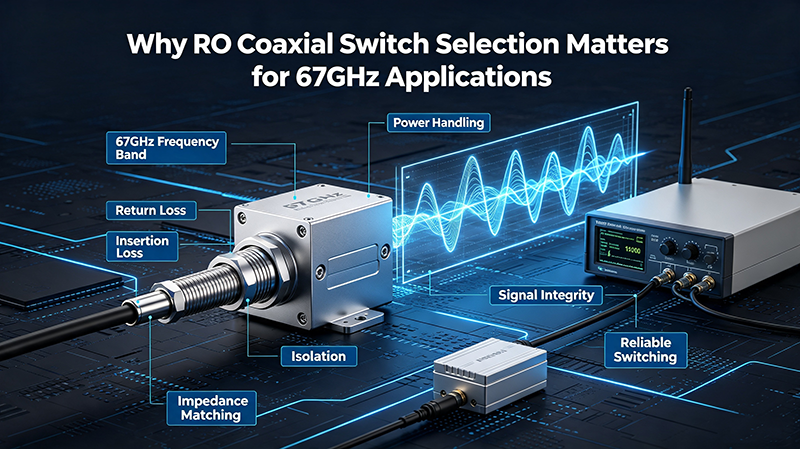
At frequencies above 40GHz, even small electrical losses or impedance variations can significantly impact signal integrity. A poorly selected RF switch may cause:
- Higher insertion loss and reduced measurement accuracy
- Poor isolation between RF channels
- Increased signal reflections due to impedance mismatch
- Reduced system dynamic range
- Unstable test results during automated measurements
Therefore, engineers must evaluate both electrical performance and mechanical reliability before selecting an RF coaxial switch.
Key Factors When Choosing an RF Coaxial Switch
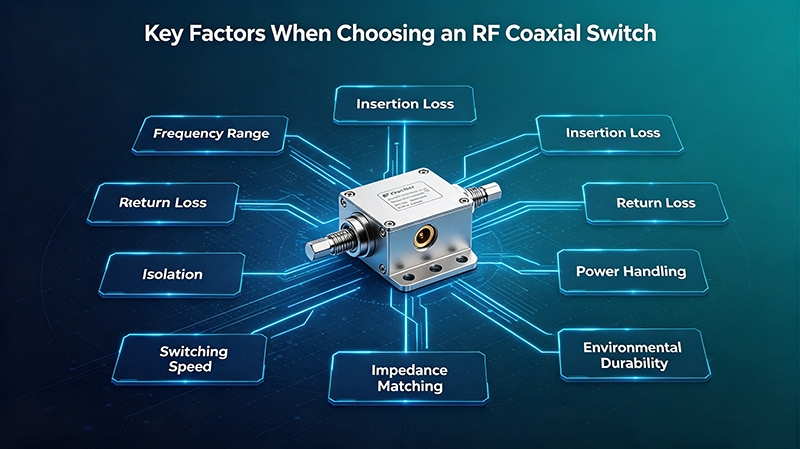
1. Frequency Range
The operating frequency is the first parameter to consider. The coaxial switch must cover the entire frequency range of the testing system with sufficient performance margin.
| Application | Typical Frequency Requirement |
|---|---|
| Wireless communication testing | Up to 6GHz |
| 5G mmWave testing | 24GHz - 40GHz+ |
| Satellite and aerospace testing | 18GHz - 50GHz |
| Advanced microwave measurement | Up to 67GHz |
For 67GHz applications, choose switches specifically designed for millimeter-wave performance rather than standard RF switches.
2. Insertion Loss
Insertion loss represents the amount of signal power lost when passing through the RF switch. Lower insertion loss improves measurement accuracy and system efficiency.
For high-frequency testing, a typical high-performance coaxial switch should provide:
- Low insertion loss across the entire frequency range
- Stable performance over repeated switching cycles
- Minimal amplitude variation between channels
3. Isolation Performance
Isolation indicates how effectively the switch prevents unwanted signal leakage between inactive ports.
High isolation is critical in applications such as:
- Multi-channel RF testing systems
- Receiver sensitivity measurements
- Radar and communication equipment testing
4. Switching Speed
Switching speed determines how quickly the RF signal path can be changed.
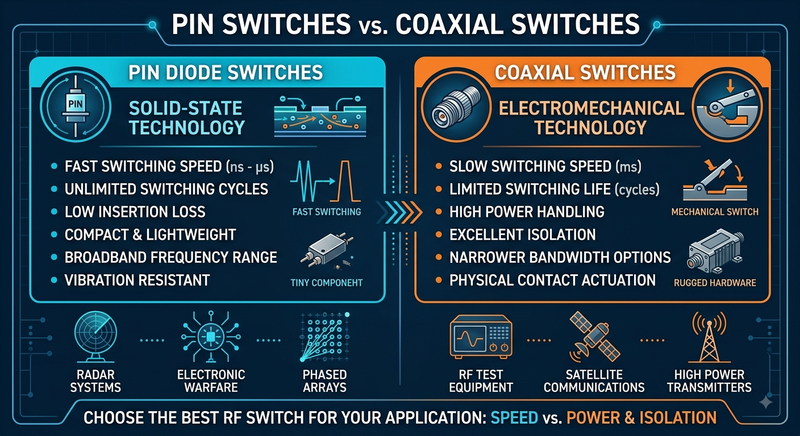
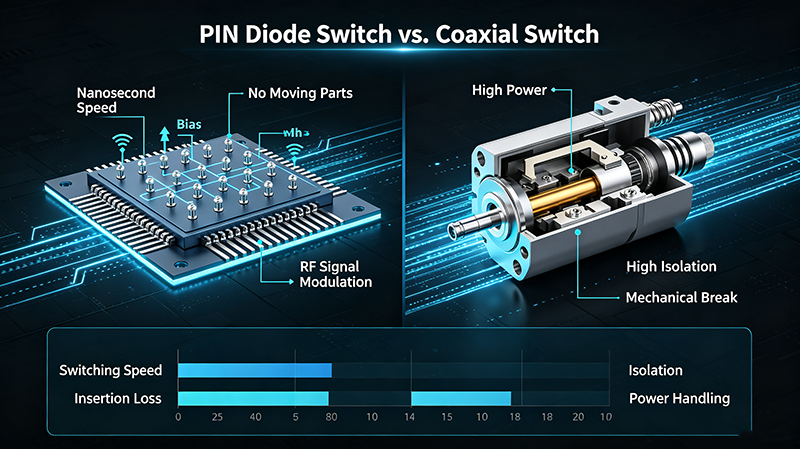
Electromechanical coaxial switches typically provide excellent RF performance with switching times ranging from milliseconds, while solid-state switches offer much faster switching speeds.
| Switch Type | Advantages | Applications |
|---|---|---|
| Electromechanical RF Switch | Low loss, high isolation, high power handling | ATE, laboratory testing |
| PIN Diode Switch | Fast switching, compact size | Communication systems |
| Solid-State Switch | Very high switching speed | High-speed RF systems |
5. Connector Type
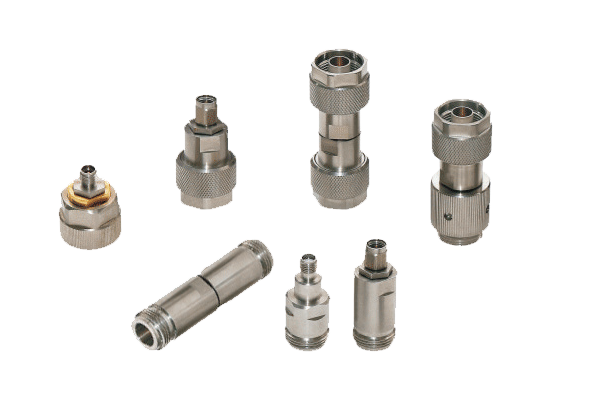
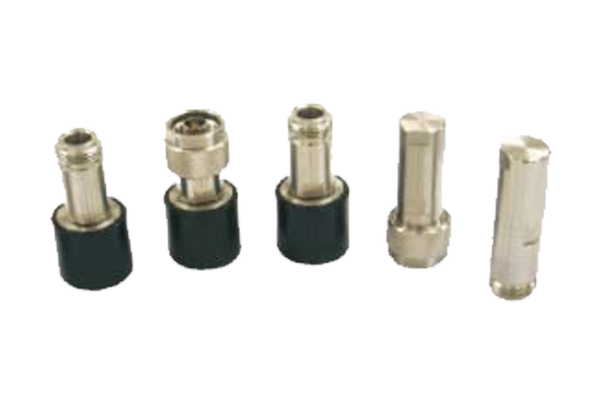
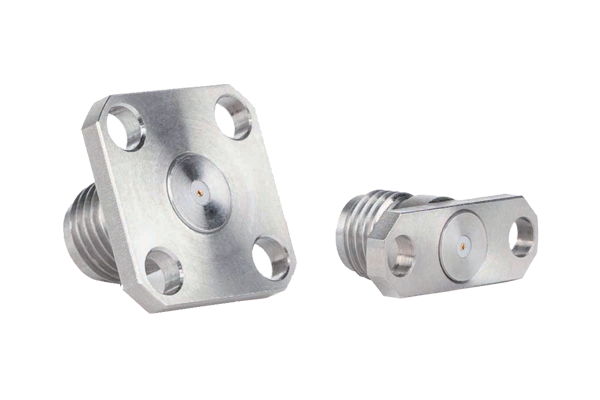
Connector selection directly affects high-frequency performance. Common RF coaxial switch connectors include:
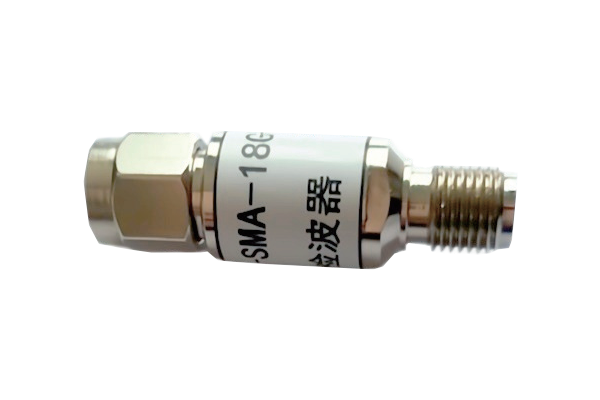
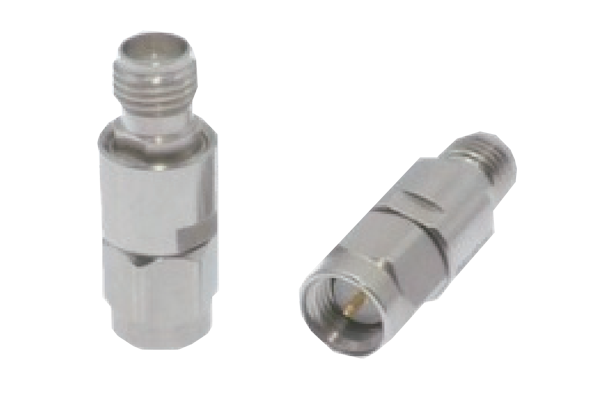
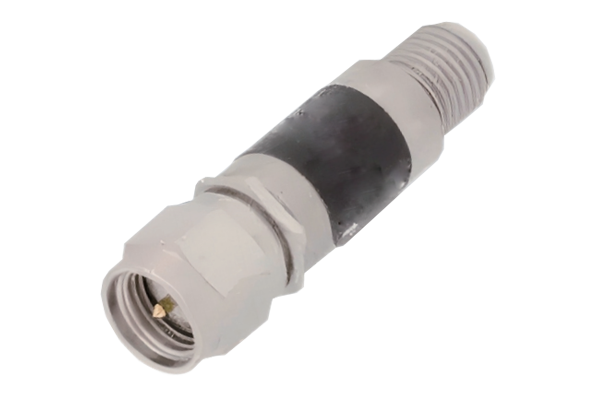
- SMA connectors: commonly used up to 18GHz
- 2.92mm connectors: suitable for applications up to 40GHz
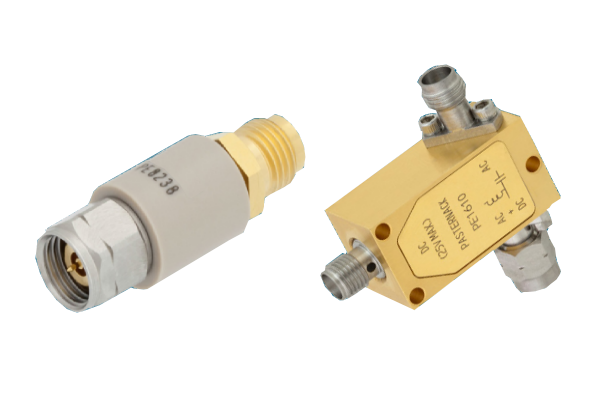
- 2.4mm connectors: designed for millimeter-wave frequencies
- 1.85mm connectors: used for ultra-high-frequency applications up to 67GHz
Common RF Coaxial Switch Configurations
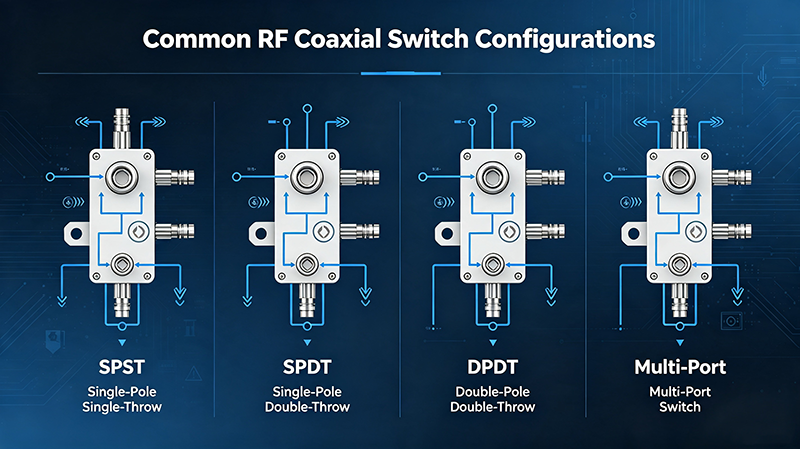
SPDT RF Coaxial Switch
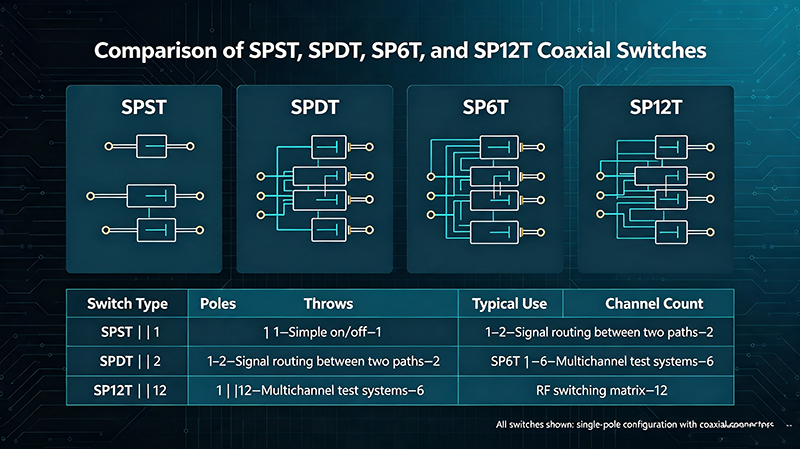
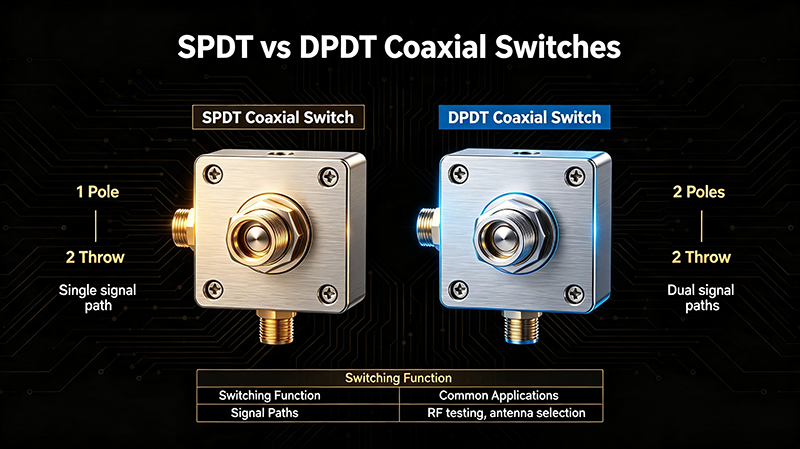
A Single Pole Double Throw (SPDT) switch connects one input to two output paths. It is widely used for signal routing and measurement systems.
SP6T and SP12T RF Switches
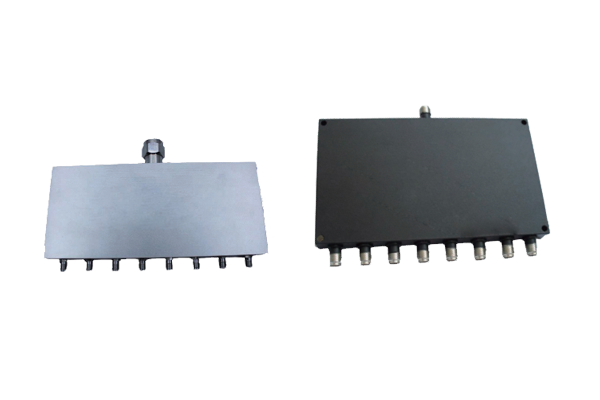
Multi-position switches such as SP6T and SP12T allow multiple RF channels to be controlled using one device. They are ideal for automated testing systems requiring multiple signal paths.
Applications of 67GHz RF Coaxial Switches
- 5G and 6G communication testing
- Millimeter-wave component testing
- Network analyzer measurement systems
- Radar system validation
- Aerospace and defense testing
- Semiconductor wafer testing
- Satellite communication equipment testing
How to Select the Best RF Coaxial Switch Manufacturer
Choosing a reliable RF switch manufacturer ensures long-term performance and consistent quality. Important factors include:
- Frequency capability up to your required operating range
- Verified RF test data and specifications
- High switching cycle reliability
- Custom configuration capability
- Strong technical support and engineering experience
Frequently Asked Questions
What frequency can RF coaxial switches support?
High-performance RF coaxial switches can support frequencies from DC to 67GHz depending on the design, connector type, and RF technology used.
Are electromechanical switches suitable for high-frequency testing?
Yes. Electromechanical coaxial switches are widely used in high-frequency testing because they provide excellent isolation, low insertion loss, and high reliability.
What is the most important RF switch specification?
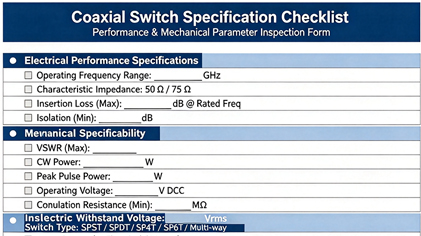
Frequency range, insertion loss, isolation, VSWR, power handling, and switching life are all critical specifications. The priority depends on the application.
Conclusion
Selecting the right RF coaxial switch for high-frequency testing up to 67GHz requires careful evaluation of frequency range, insertion loss, isolation, switching speed, connector technology, and application requirements.
For advanced microwave testing systems, a high-quality coaxial switch with stable RF performance and reliable switching capability can significantly improve test accuracy, reduce measurement errors, and increase system efficiency.