





What is NFC?
Definition of NFC
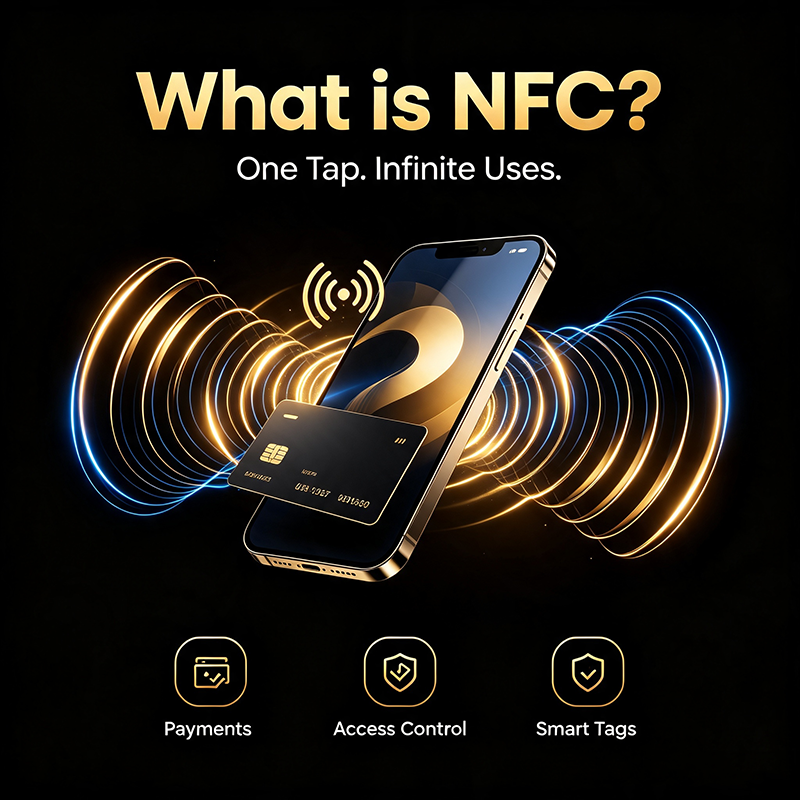
NFC, short for Near Field Communication, is a set of communication protocols that allows two electronic devices to exchange data when they are placed within approximately 4 cm (1.5 inches) of each other. Operating at a frequency of 13.56 MHz, NFC is built upon the foundations of Radio Frequency Identification (RFID) technology and is standardized under ISO/IEC 18092 and ECMA-340.
The technology was jointly developed by NXP Semiconductors, Sony, and Nokia in 2002, and it has since become a global standard supported by major smartphone manufacturers, payment networks, and transit systems worldwide.
How Does NFC Work?
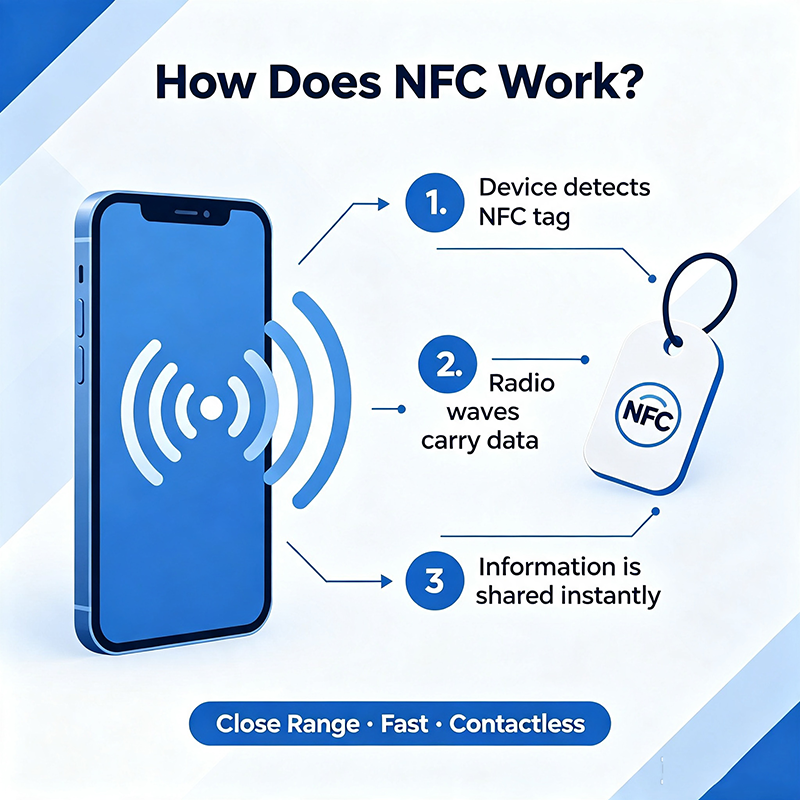
NFC operates through electromagnetic induction between two loop antennas when devices are brought close together. The communication process involves three main modes:
Reader/Writer Mode
An active NFC device reads data from passive NFC tags, commonly used in smart posters, product labels, and inventory tracking.
Peer-to-Peer Mode
Two active NFC-enabled devices exchange data, enabling file sharing, contact transfers, and Bluetooth pairing simplifications.
Card Emulation Mode
The NFC device behaves like a contactless smart card, enabling mobile payments and transit ticketing applications.
Key Features of NFC Technology
- Short Range: Maximum operating distance of approximately 4 cm, which provides inherent security.
- Low Power Consumption: Passive NFC tags don't require their own power source.
- Instant Connectivity: Connection establishes in less than a tenth of a second.
- Secure Communication: Short range combined with encryption makes data interception difficult.
- Backward Compatibility: Works with existing RFID infrastructure and contactless smart cards.
NFC vs. Bluetooth: What's the Difference?
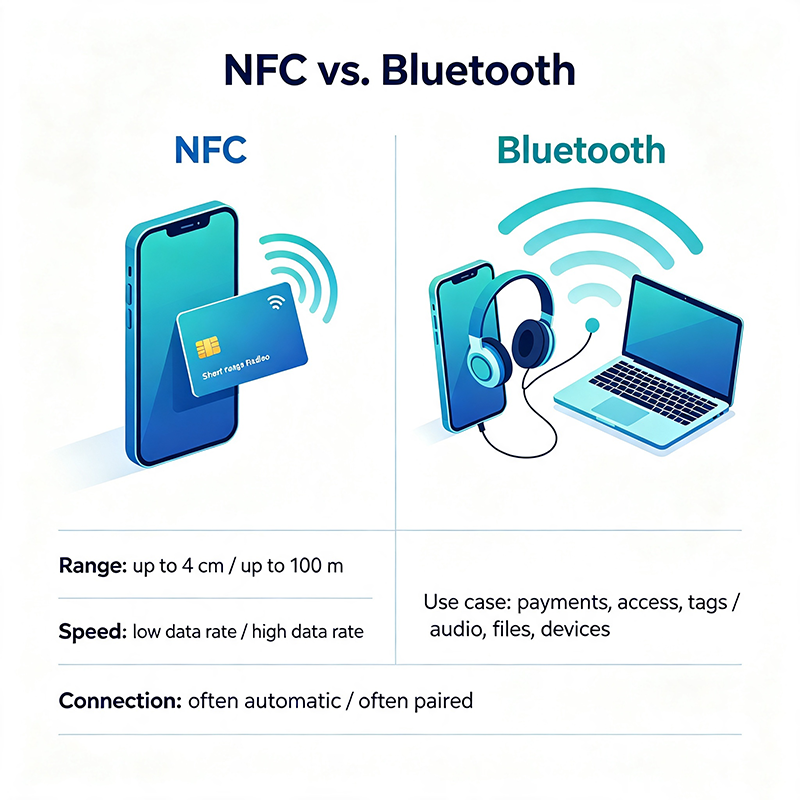
Although both are wireless communication technologies, NFC and Bluetooth serve different purposes. The following table highlights their key differences:
| Feature | NFC | Bluetooth |
|---|---|---|
| Range | Up to 4 cm | Up to 100 meters |
| Setup Time | Less than 0.1 seconds | Up to 6 seconds |
| Power Consumption | Very Low | Moderate to High |
| Data Transfer Speed | 106, 212, 424 kbps | Up to 3 Mbps |
| Best Use Case | Payments, quick pairing | Audio streaming, file transfer |
Common Applications of NFC
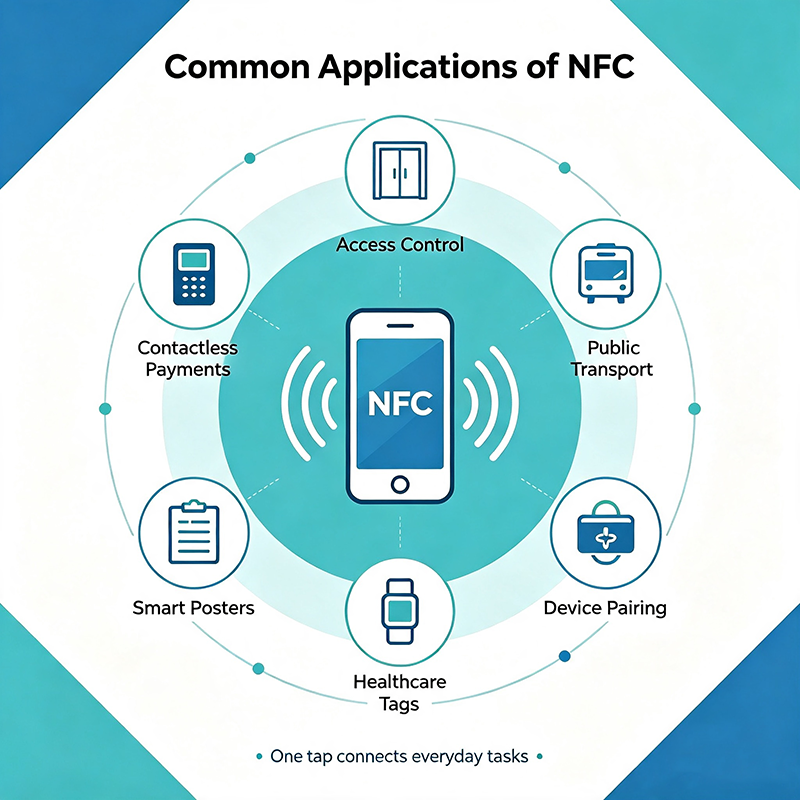
1. Contactless Payments
Mobile payment services such as Apple Pay, Google Pay, and Samsung Pay rely on NFC to enable tap-to-pay transactions at millions of retail locations globally.
2. Public Transportation
Many transit systems, including those in London, Tokyo, and Beijing, use NFC-based cards and smartphones for fare collection and access control.
3. Access Control and Security
NFC is widely used in key cards, employee badges, and hotel room keys, providing a convenient and secure alternative to traditional locks.
4. Healthcare
Medical professionals use NFC to track equipment, verify patient identification, and manage medication administration.
5. Smart Marketing
Smart posters and product packaging embedded with NFC tags allow consumers to access additional information, promotions, or videos by tapping their phone.
Did You Know? According to market research, global NFC transaction values are projected to exceed $15 trillion by 2027, reflecting rapid mainstream adoption of contactless payment technology.
Is NFC Secure?
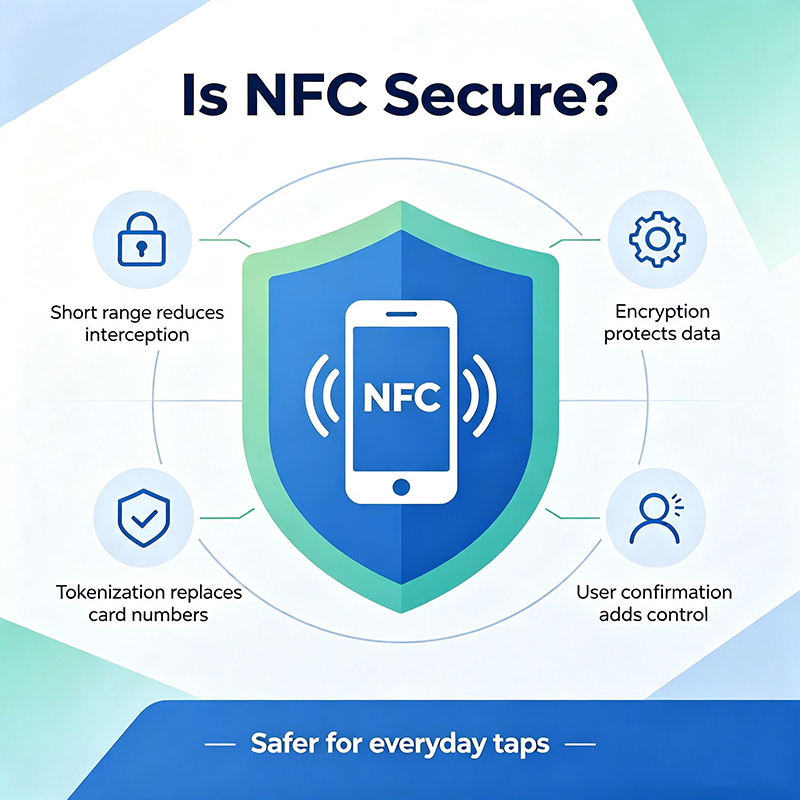
Security is one of NFC's strongest advantages. Because devices must be within centimeters of each other to communicate, the risk of unauthorized interception is significantly lower compared to longer-range wireless technologies. Additionally, NFC payments typically use:
- Tokenization: Card numbers are replaced with unique transaction codes.
- Encryption: All data transmitted is encrypted using secure protocols.
- Authentication: Biometric verification (fingerprint or face) is often required.
However, users should remain cautious of "skimming" attacks and always ensure their devices have the latest security updates installed.
The Future of NFC
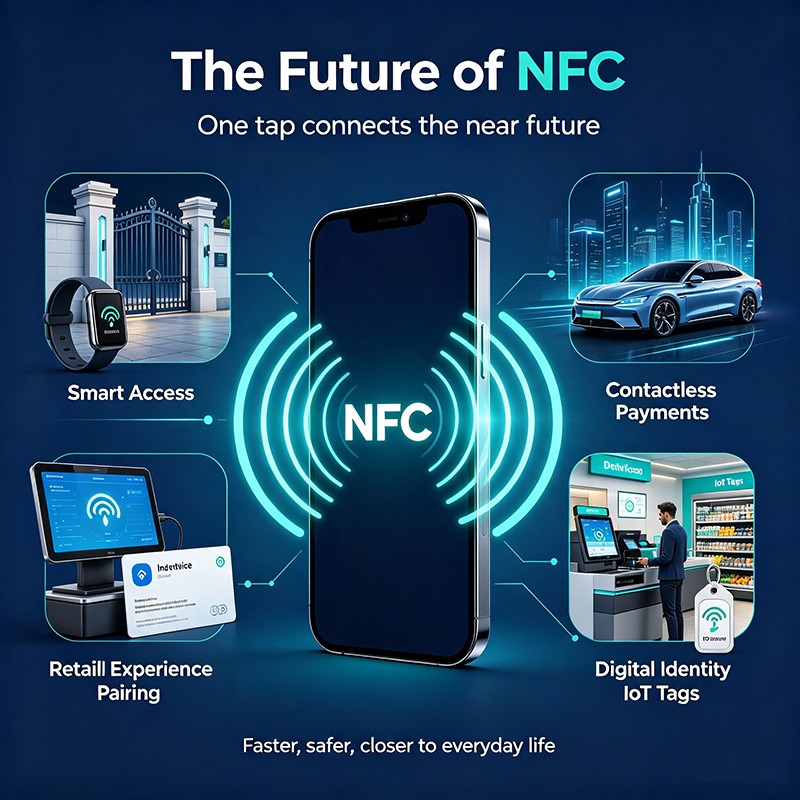
The future of Near Field Communication looks increasingly promising. Emerging trends include:
- IoT Integration: Connecting smart home devices with a simple tap.
- Digital Identity: Storing passports, driver's licenses, and IDs on mobile devices.
- Healthcare Expansion: Enhanced patient monitoring and medical data sharing.
- Industrial Applications: Streamlining supply chain and asset management operations.
With the rollout of 5G networks and advancements in chip technology, NFC is poised to become even faster, more versatile, and ubiquitous across all industries.
Final Thoughts
NFC technology has evolved from a simple data exchange protocol into a cornerstone of modern digital interaction. Its combination of convenience, security, and low power consumption makes it ideal for an increasingly connected world. Whether you're paying for coffee, boarding a train, or unlocking a hotel room, NFC is quietly transforming everyday experiences.
Frequently Asked Questions (FAQ)
About the Author — MeiXun Team
Chief Engineer Wang
High-tech Enterprise, Feifeng Talent
Chief Engineer Wang graduated with a master's degree in high-power microwave from the Institute of Electronics, University of Chinese Academy of Sciences.
View Full Profile- RF Switch Circuit Diagram
- RF Switch
- Ohm's Law
- dBm to Watt
- mW to dBm
- Wavelength to Frequency
- RF Connector
- SMA Connector
- RF Switch Module
- RF Coupler
- RF PIN Switch
- Microwave Coaxial Switch
- PIN Switch
- Coaxial RF Switch
- Waveguide Switch
- Microwave Switch
- Low Noise Amplifier
- PIN Diode Switch
- Coaxial Switch
- RF Microwave Switch
- SPST Switch