





Introduction
Culture
Award
Quality control
News
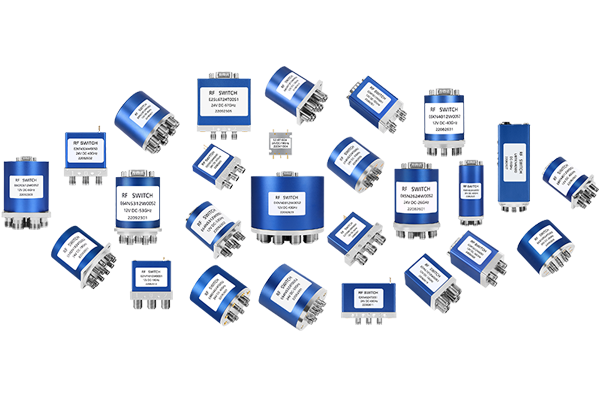
Coaxial Switches
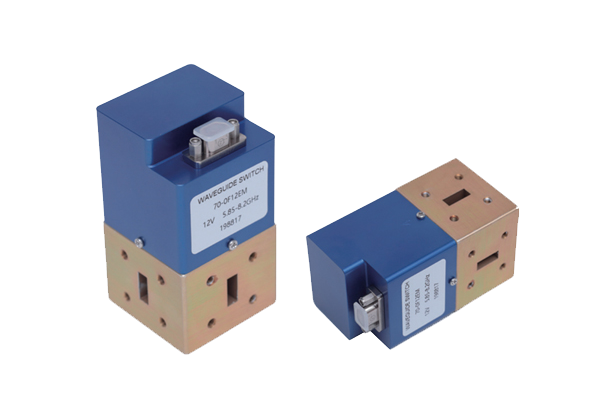
Waveguide Switches
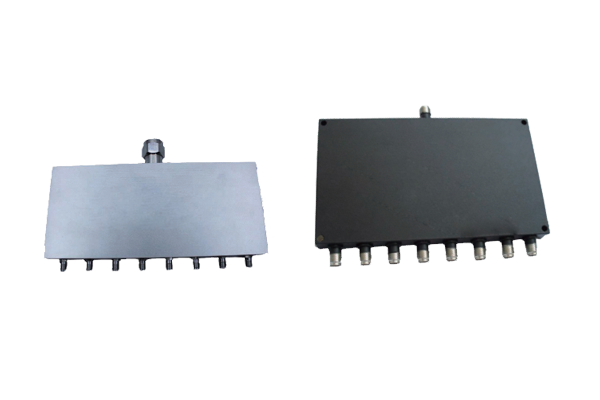
Power Dividers
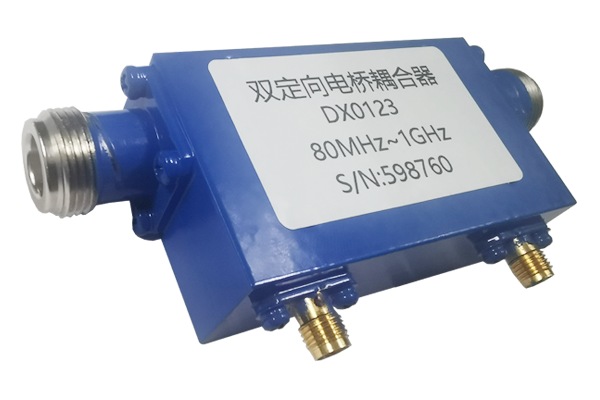
Directional Couplers
Waveguide-Coaxial Adapters
Coaxial Adapters
Coaxial Loads/ Coaxial Terminations
Attenuator
Pin Switches
Detectors
Bias Tee
DC Blockers
Microwave Limiters
Equalizers
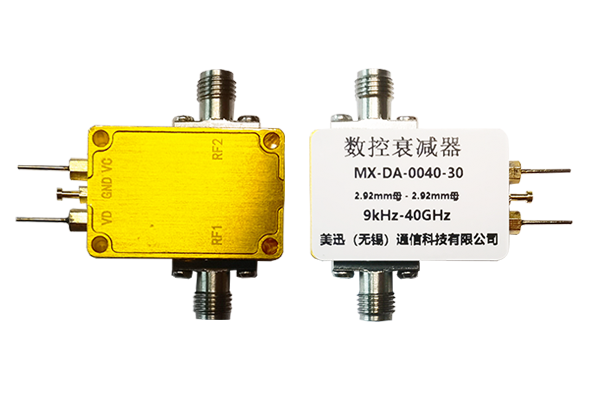
Digital/ Voltage-controlled Attenuators
Digital/ Voltage-controlled Phase Shifters
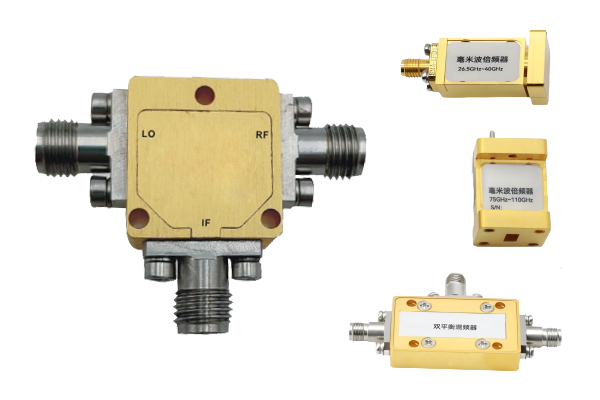
Mixers/ Frequency Multipliers/ Frequency Dividers
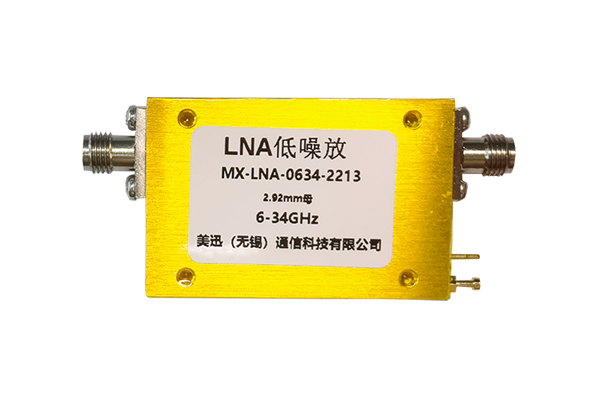
Low Noise Amplifier
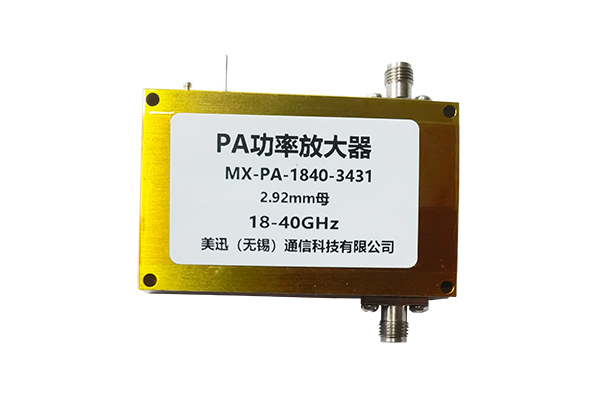
Power Amplifiers
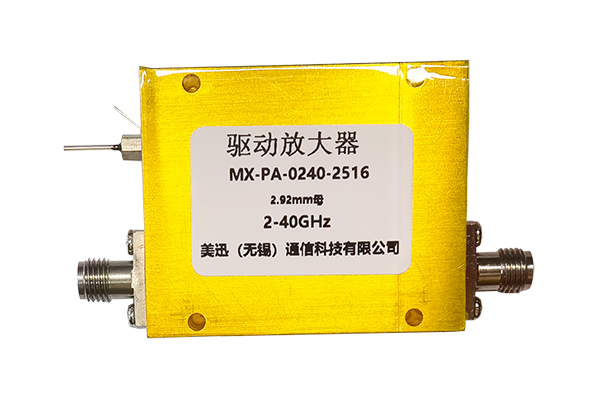
Driver Amplifiers
5G communication testing, wireless terminal automated testing
Aerospace communication systems
Precision measurement equipment, radio frequency signal control of radar transmitters
Communication and navigation systems
Optical communication module-related testing
Laboratory equipment
High-power transmission
Interconnection of wireless communication base stations
Testing of radio frequency and microwave devices
Broadcast and television
Technical service
Customer service
Recruitment information
Talent Strategy
Contact information
Online message
Passive components
Active components
The premise for measuring the noise figure is to clearly define its core meaning...
Controlling the temperature and humidity of the storage environment is crucial....
The corrosion resistance of an RF attenuator mainly depends on the casing material and surface treatment process...
Attenuation is a core indicator of an attenuator. Testing its quality requires confirming that it meets standards. Establish a test link using an RF signal generator and a power meter...
The foundation of impedance matching is selecting attenuators that match the system impedance specifications. RF systems typically have fixed standard impedances, requiring attenuators whose input and output impedances perfectly match the system impedance....
In RF systems, precise signal strength control is a core requirement. The core function of an attenuator is to reduce signal strength according to a preset ratio....
Selecting an RF power divider requires considering both the application scenario and core performance requirements, taking into account multiple key factors to ensure stable signal transmission and efficient system operation...
This is the core function of the isolation resistor. When different output ports of the power divider are connected to different loads, or when abnormal reflection occurs at a certain port, the isolation resistor can effectively block signal interference between these ports....
First, visually inspect the ports of the RF power divider for physical damage, such as cracked casings, deformed metal contacts, or oxidation and corrosion...
Plan the installation location of the RF power divider reasonably, keeping it away from strong electromagnetic radiation sources, such as high-power transmitting equipment and high-frequency circuits, to reduce the direct impact of radiated interference...
Regularly remove dust and debris from the surface and interfaces of the RF power divider to prevent dust accumulation from affecting signal transmission or causing poor interface contact...
To reduce interference at the source, prioritize selecting RF couplers suitable for the application scenario. Choose models with bandwidth matching based on the frequency band being used to avoid spurious signal interference caused by bandwidth mismatch....