






Working Principle of a Bridge Coupler
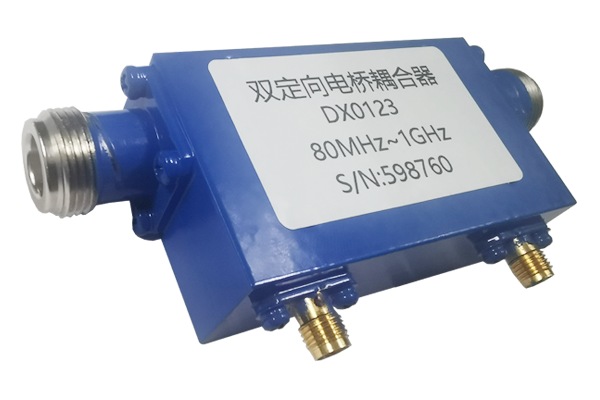
Bridge Coupler (Directional Coupler) — a four-port microwave passive device leveraging electromagnetic coupling and wave interference. Provides precise power distribution, high directivity, signal sampling, and balanced mixing for RF systems.
Basic Definition & Structure
- Microwave passive device with special directionality, designed as four-port network
- Two transmission lines interact through specific physical configuration
- Enables directional energy transmission & distribution in RF systems
- Critical for signal sampling, power distribution, mixing → stable communication links
Energy Coupling Mechanism
- High-frequency signal enters main line; EM wave propagates along line
- Electric & magnetic field interaction induces energy on secondary line
- Energy transfer follows electromagnetic induction law (not random)
- Structural design ensures coupled signals have precise phase & amplitude ratios
Wave Interference & Directivity
- Operates using wave interference to control signal flow
- Coupled signal: electric field coupling + magnetic field coupling components
- In-phase superposition in one direction → coupled output (constructive)
- Out-of-phase cancellation in opposite direction → near-zero output
- Constructive & destructive interference yields extremely high directivity
Power Distribution & Combining
- Distributes input power according to preset coupling ratio
- Combines two independent signal sources into one output while maintaining high isolation
- Prevents mutual interference between signal sources
- Ensures precise amplitude & phase balance for transmitter monitoring or balanced mixers
High directivity & advanced RF integration
- Exceptional isolation between input and coupled ports (typical directivity > 25 dB)
- Minimizes reflected power & VSWR degradation in sensitive systems
- Wideband operation for 5G infrastructure, radar, satellite communications
- Essential for network analyzers, automated test equipment, and power monitoring
🔗 Precision through interference & coupling. The bridge coupler’s synergy of electromagnetic coupling and wave interference enables outstanding directivity and signal control. Whether distributing power, combining transmitters, or sampling forward/reflected waves, it maintains phase/amplitude balance across complex RF chains. Robust design ensures linear, low-loss operation in telecommunications, aerospace, and test instrumentation.