


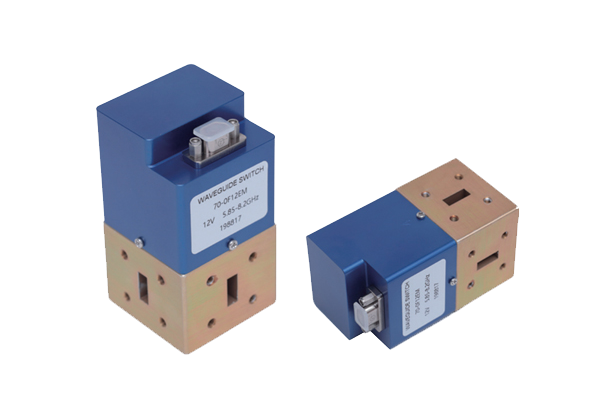




Which frequency bands are waveguide switches suitable for
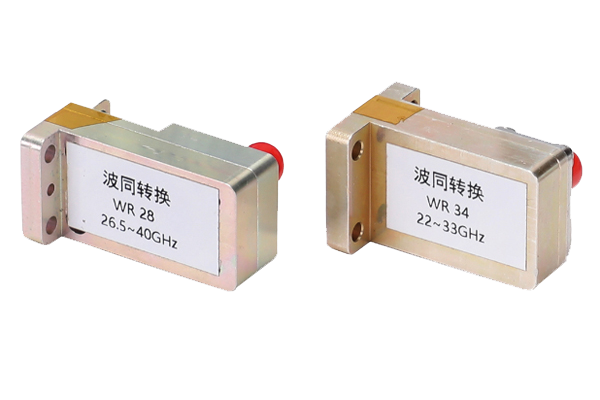
Waveguide Switches
Precision signal routing · Ultra‑wide frequency coverage · High‑power resilience
Microwave Bands:
Core Operational Range
- Exceptional performance across 1 to 40 GHz – covers X‑band (8‑12 GHz) and Ku‑band (12‑18 GHz)
- Ideal for radar systems, satellite communications & defense platforms
- Robust waveguide construction ensures minimal insertion loss in high‑power environments
- Preserves signal integrity with excellent power handling capability
Millimeter Wave Advantages
- Superior performance in 30–300 GHz range, including Ka‑band (26.5‑40 GHz) & Q‑band (33‑50 GHz)
- Low reflection and high isolation – critical for 5G infrastructure & point‑to‑point links
- Precision‑engineered for automotive radar and next‑gen wireless backhaul
- Stable electrical behavior minimizes signal degradation even at extreme mmWave frequencies
Extremes of Frequency:
V‑Band & Beyond
- Extends capability into V‑band (50‑75 GHz) and higher mmWave/THz adjacent bands
- Solid metallic construction with smooth interior walls dramatically reduces attenuation
- Designed for research, aerospace, and next‑generation telecommunications systems
- Preserves delicate signals across ultra‑wide bandwidths with mechanical integrity
Versatility Across Diverse Spectrums
- Consistent performance across C‑band (4‑8 GHz) to W‑band (75‑110 GHz) and beyond
- Handles high power densities while resisting thermal expansion & mechanical stress
- Suitable for both legacy satellite dishes and emerging scientific instrumentation
- Long‑term reliability in mission‑critical systems from defense to space applications