








What material are Coaxial Switches made of
Material Properties & Applications
The material selection of coaxial switches is closely linked to their performance, application scenarios, and service life. Manufacturers choose appropriate materials based on specific requirements, ensuring switches meet operational needs in different environments while maintaining stable performance.
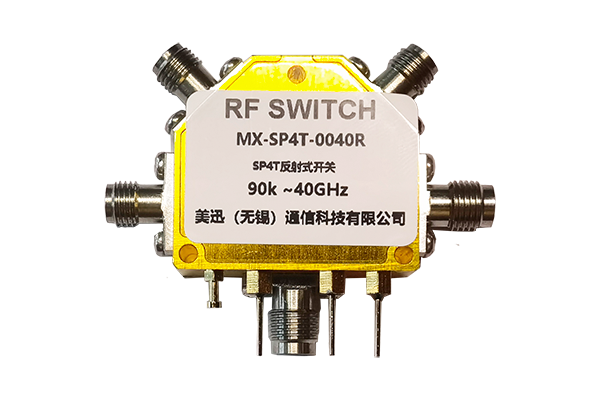
Brass
- Excellent electrical conductivity minimizes signal loss
- Good machinability for precise processing of complex structures
- Certain corrosion resistance suitable for general indoor use
- Cost-effective material for standard applications
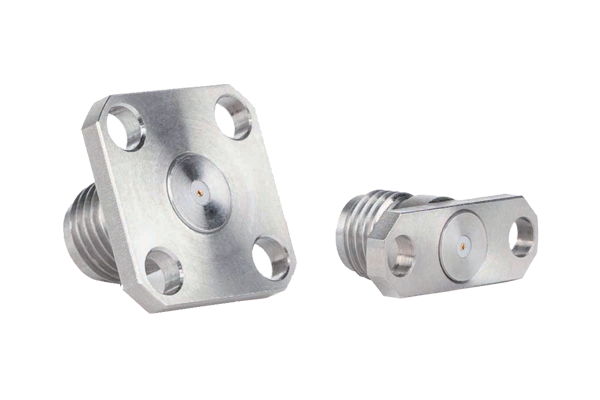
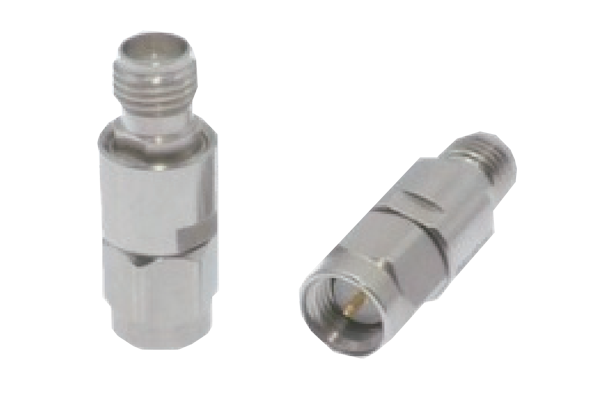
Stainless Steel
- High corrosion resistance against moisture and chemicals
- Superior mechanical strength and wear resistance
- Ideal for outdoor use and harsh industrial environments
- Maintains structural integrity under vibration/frequent operation
Composite Materials
- Polymer bases mixed with conductive fillers
- Lightweight design important for aerospace/portable equipment
- Excellent thermal stability for temperature fluctuating environments
- Good insulation properties combined with conductivity
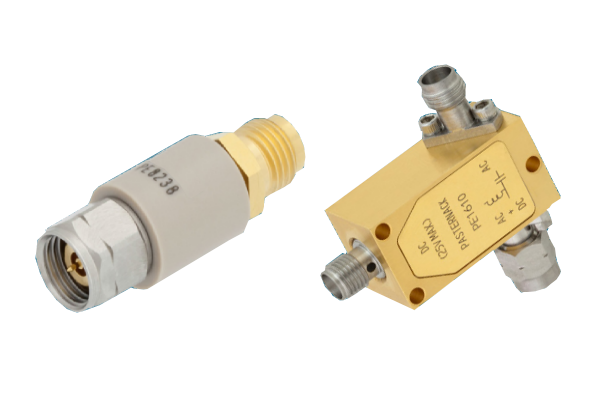
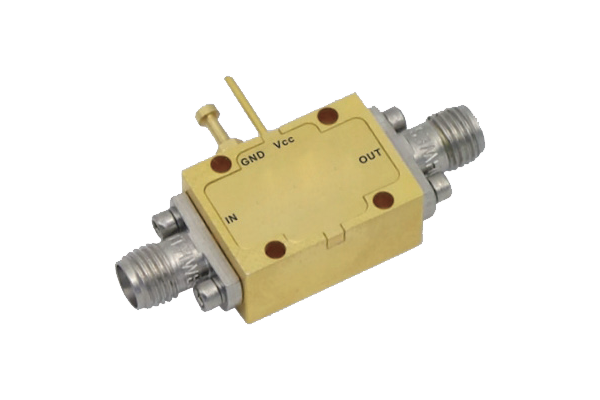
Contact Materials
- Often gold or silver plating for enhanced conductivity
- Reduced contact resistance for better signal transmission
- Prevents oxidation ensuring long-term stability
- Directly affects signal transmission quality
Summary
In summary, the material of coaxial switches is diversified, with each material selected based on a balance of electrical performance, mechanical strength, corrosion resistance, and application environment. The right material selection ensures optimal performance and longevity for specific use cases.