







What is the working principle of Waveguide Switches
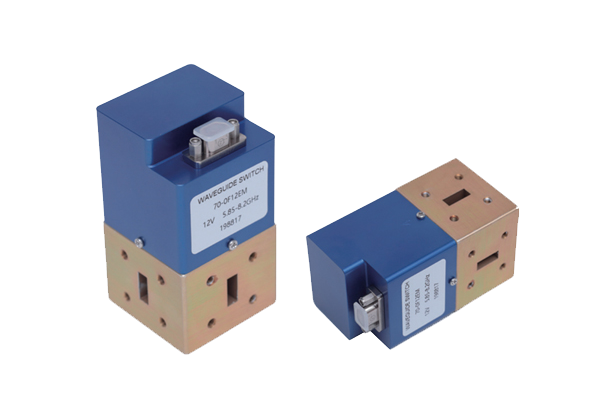
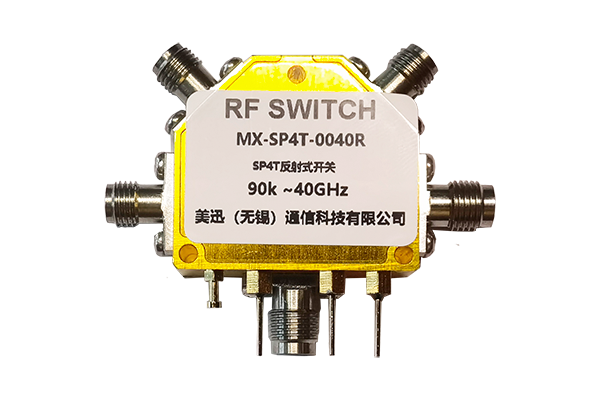
Waveguide switches operate based on the core principle of controlling the propagation path of microwave or high-frequency electromagnetic signals within waveguide structures. Their primary function is to redirect, connect, or isolate signal paths to meet the requirements of different electronic systems, such as signal routing in communication or radar setups.
Most waveguide switches rely on electromechanical mechanisms to achieve signal path switching. Inside the switch, there are movable components such as metal probes, diaphragms, or waveguide sections that can change their position under the drive of an electric control signal.
When an electrical current is applied to the control coil, an electromagnetic force is generated, which drives the movable components to shift. This movement either allows the signal to pass through a specific waveguide channel or blocks it, thereby completing the switching between different signal paths.
The switching process also relies on the characteristics of waveguide transmission, where electromagnetic signals propagate along the inner wall of the hollow waveguide. The movable components, when in different positions, alter the electromagnetic field distribution within the waveguide.
Properly positioned, they enable unobstructed signal transmission with minimal loss; when shifted to the isolation position, they reflect or absorb the signal, preventing it from propagating to unintended channels.
- Most waveguide switches rely on electromechanical mechanisms for signal path switching
- Internal movable components include metal probes, diaphragms, or waveguide sections
- Components change position under electric control signals
- Current applied to control coil generates electromagnetic force
- Movement allows signal passage or blocks it, completing path switching
Some advanced waveguide switches may adopt non-mechanical technologies, such as using semiconductor materials to control signal transmission through changes in electrical properties.
Regardless of the specific technology, the core working principle remains consistent: regulating the on-off or redirection of high-frequency signals in waveguide paths through external control signals, ensuring stable and reliable signal transmission in complex electronic systems.
Waveguide Transmission
The switching process relies on the characteristics of waveguide transmission, where electromagnetic signals propagate along the inner wall of the hollow waveguide.
Field Distribution
Movable components in different positions alter the electromagnetic field distribution within the waveguide, controlling signal paths.
Signal Control
Properly positioned components enable unobstructed signal transmission with minimal loss, while isolation positions reflect or absorb signals.