


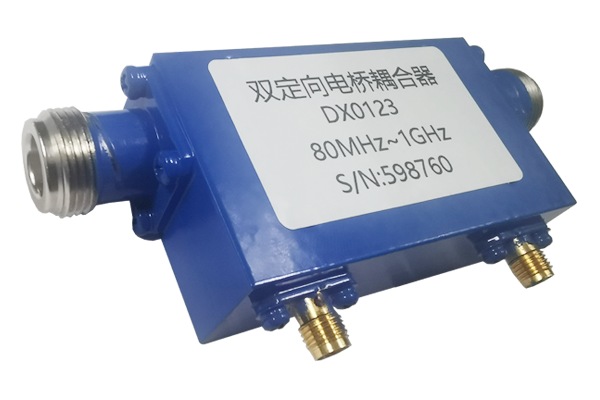





Temperature Stability of Dual Directional Couplers
1. Selecting High-Temperature Resistant Materials
- Prioritize the use of dielectric substrates and metal materials with excellent high-temperature resistance and thermal stability to minimize the impact of temperature changes on material properties.
- Avoid using material combinations with excessively different coefficients of thermal expansion to prevent stress during temperature fluctuations, which could lead to device structural deformation and subsequent electrical performance degradation, ensuring temperature adaptability.
2. Optimizing Device Structural Design
- Mallocate the negative impacts of temperature through a rational structural design. Employ a symmetrical structural layout to reduce parameter shifts caused by temperature unevenness.
- Optimize the coupling region design to reduce the impact of temperature on coupling strength and phase consistency, while suppressing localized overheating caused by heat conduction, thus improving overall temperature stability.
3. Controlling the Operating Environment Temperature
- Avoid placing the device in environments with drastic temperature fluctuations to reduce the damage to the internal structure caused by alternating high and low temperatures.
- Equip devices with temperature control and protection devices when necessary to maintain a stable operating temperature, prevent material aging and parameter drift caused by extreme temperatures, and ensure long-term stable operation of the devices.
4. Implement temperature compensation measures
- To address parameter deviations that may be caused by temperature changes, add appropriate temperature compensation structures to offset the impact of temperature on electrical performance.
- Optimize the compensation scheme through simulation to ensure that parameters such as coupling and isolation of the devices remain stable across different temperature ranges, meeting the temperature adaptation requirements of the system.