


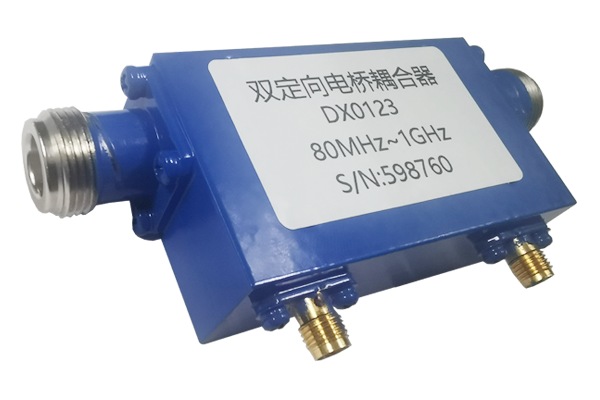




Precautions for Using Dual Directional Couplers
1. Standardize Port Connection Operations
- Understand the function of each port and accurately connect input, output, coupling, and isolation ports according to system design requirements, avoiding reversed or incorrect connections.
- Ensure good contact at the interface during connection to prevent looseness that could cause signal reflection or attenuation.
- Also, prevent damage to the internal structure of the device due to improper connections, which could affect overall isolation and coupling performance.
2. Control Operating Environmental Conditions
- Avoid placing the device in extreme temperature and humidity environments to prevent environmental factors from causing substrate aging and metal structure corrosion, thus affecting electrical performance.
- Keep away from strong electromagnetic interference sources to reduce the impact of external interference on signal transmission.
- Keep the device surface clean to prevent dust and debris accumulation that could cause poor interface contact.
3. Properly Control Input Signal Parameters
- Strictly control the input signal strength according to the device's rated specifications to avoid overload, which could damage internal components, causing signal distortion or decreased isolation.
- Ensure the input signal frequency is within the device's operating frequency band; avoid using it outside the band to prevent abnormal device performance and ensure stable coupling and isolation.
4. Perform Routine Maintenance and Storage
- Regularly inspect device interfaces and connections, promptly addressing any looseness or damage to prevent potential problems from escalating.
- When not in use, store the device properly, ensuring dust and moisture protection, and avoiding physical damage from compression or collisions.
- Also, avoid frequent plugging and unplugging of interfaces to reduce mechanical wear and extend device lifespan.