


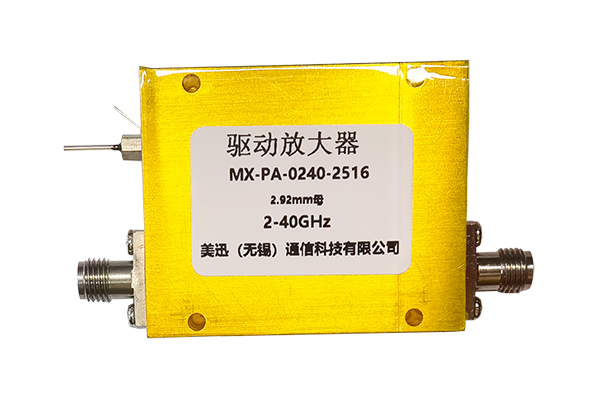




Precautions for Low-noise amplifiers
When designing, using and maintaining low-noise amplifiers, there are some precautions:
1. Design
Select devices reasonably: Select appropriate transistors, capacitors, inductors and other components according to the operating frequency, gain, noise factor and other indicators. Ensure that the selected devices have low noise characteristics and stable performance within the operating frequency band.
Optimize circuit layout: Separate the input stage and output stage of the low-noise amplifier to reduce inter-stage coupling. At the same time, try to shorten the signal transmission path and reduce electromagnetic interference. The power pins and ground pins should be arranged reasonably to ensure good power integrity and grounding performance.
Electromagnetic shielding: For sensitive low-noise amplifier circuit parts, use metal shielding covers for shielding to prevent external electromagnetic interference from entering the circuit and affecting the performance of the amplifier.
2. Usage
Correct connection: When connecting the signal source and the load, ensure that the connection is reliable to avoid virtual connection or short circuit. At the same time, pay attention to the impedance matching of the signal source and the load to ensure that the amplifier can work normally and obtain the best performance.
Prevent overload: The amplitude of the input signal cannot exceed the maximum input dynamic range of the amplifier, otherwise it will cause the amplifier to saturate, produce distortion, and even damage the amplifier.
Working environment: Try to operate the low-noise amplifier in an environment with stable temperature and humidity. Too high or too low temperature may affect the performance of the amplifier and even cause component damage.
3. Maintenance
Regular inspection: Regularly check the working status of the amplifier, including gain, noise factor, output power and other indicators. If the indicators are abnormal, promptly find out the cause of the fault and repair it.
Cleaning and maintenance: Keep the amplifier clean to prevent dust and debris from entering the circuit, affecting heat dissipation and electrical performance. For amplifiers that have been used for a long time, pay attention to check the aging of components and replace aging components in time.
1. Design
Select devices reasonably: Select appropriate transistors, capacitors, inductors and other components according to the operating frequency, gain, noise factor and other indicators. Ensure that the selected devices have low noise characteristics and stable performance within the operating frequency band.
Optimize circuit layout: Separate the input stage and output stage of the low-noise amplifier to reduce inter-stage coupling. At the same time, try to shorten the signal transmission path and reduce electromagnetic interference. The power pins and ground pins should be arranged reasonably to ensure good power integrity and grounding performance.
Electromagnetic shielding: For sensitive low-noise amplifier circuit parts, use metal shielding covers for shielding to prevent external electromagnetic interference from entering the circuit and affecting the performance of the amplifier.
2. Usage
Correct connection: When connecting the signal source and the load, ensure that the connection is reliable to avoid virtual connection or short circuit. At the same time, pay attention to the impedance matching of the signal source and the load to ensure that the amplifier can work normally and obtain the best performance.
Prevent overload: The amplitude of the input signal cannot exceed the maximum input dynamic range of the amplifier, otherwise it will cause the amplifier to saturate, produce distortion, and even damage the amplifier.
Working environment: Try to operate the low-noise amplifier in an environment with stable temperature and humidity. Too high or too low temperature may affect the performance of the amplifier and even cause component damage.
3. Maintenance
Regular inspection: Regularly check the working status of the amplifier, including gain, noise factor, output power and other indicators. If the indicators are abnormal, promptly find out the cause of the fault and repair it.
Cleaning and maintenance: Keep the amplifier clean to prevent dust and debris from entering the circuit, affecting heat dissipation and electrical performance. For amplifiers that have been used for a long time, pay attention to check the aging of components and replace aging components in time.