







Is the troubleshooting of RF Low Noise Amplifiers convenient
RF Low Noise Amplifiers - Troubleshooting Convenience
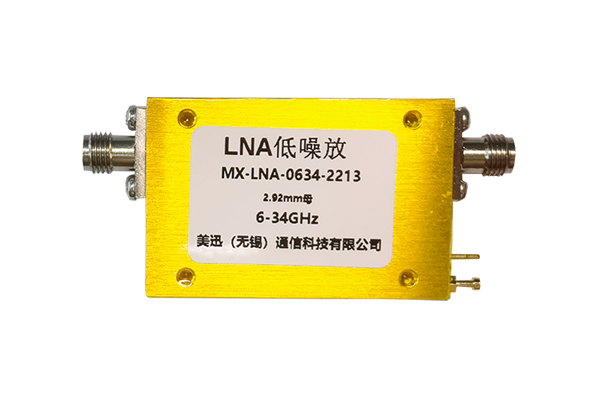
The troubleshooting of RF Low Noise Amplifiers is affirmatively convenient. Their design integrates user-friendly features and standardized support systems, simplifying fault identification and resolution for both professionals and technicians.
Modular and Accessible Design
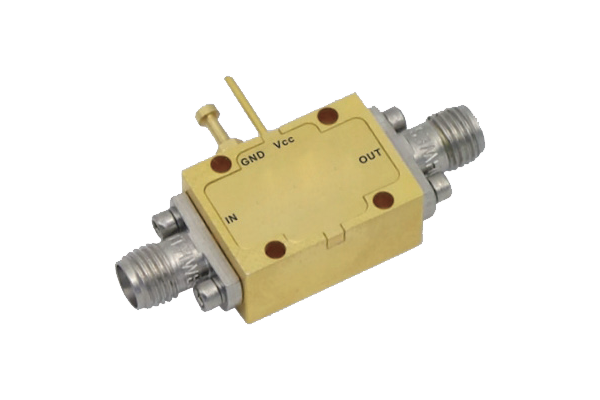
- RF Low Noise Amplifiers adopt a modular structure, with key functional units separated into independent components.
- Critical parts such as input/output stages, bias circuits, and matching networks are designed for easy access.
- The layout avoids complex wiring tangles, allowing technicians to visually inspect components and isolate faulty modules quickly.
- This design eliminates the need for extensive disassembly without damaging adjacent parts.
Standardized Test Points and Interfaces
- Manufacturers incorporate standardized test points across the amplifier circuit.
- These test points enable direct measurement of key parameters like gain, noise figure, and current draw.
- They are compatible with common RF test instruments, such as spectrum analyzers and network analyzers.
- Standardized communication interfaces support remote monitoring for RF Low Noise Amplifiers.
Comprehensive Diagnostic Resources
- RF Low Noise Amplifiers are accompanied by detailed troubleshooting guides and technical documentation.
- These resources outline common fault scenarios, typical symptoms, and step-by-step resolution procedures.
- Many models feature built-in fault indication mechanisms, such as LED alerts or error codes.
- Manufacturers provide online technical support and firmware updates, simplifying complex problem-solving.
Distinct Fault Characteristics
- Faults in RF Low Noise Amplifiers often exhibit distinct, easily recognizable characteristics.
- Increased noise typically points to transistor degradation, while gain loss may indicate matching network issues.
- These clear symptom-fault correlations reduce diagnostic ambiguity.
- Common faults are well-documented, enabling even less experienced users to resolve issues efficiently.
Key Troubleshooting Advantages
Modular Structure
Independent components allow for easy access and isolation of faults
Standardized Test Points
Direct measurement of key parameters with common RF instruments
Built-in Diagnostics
LED alerts and error codes directly point to potential issues
Clear Symptom Patterns
Distinct fault characteristics enable quick identification
Conclusion
The troubleshooting of RF Low Noise Amplifiers is affirmatively convenient. Through modular design, standardized interfaces, comprehensive diagnostic resources, and distinct fault characteristics, these amplifiers simplify fault identification and resolution for both professionals and technicians, ensuring minimal downtime and reliable performance in critical communication systems.