


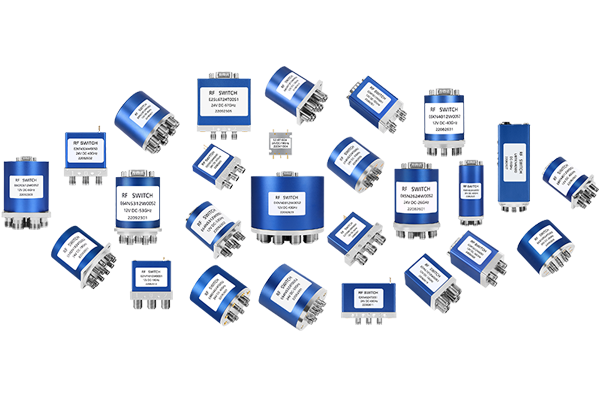




Is the repeatability accuracy of coaxial switches high
Repeatability accuracy is a vital performance metric for coaxial switches, as it directly determines the consistency and reliability of signal routing in various systems. Whether coaxial switches achieve high repeatability accuracy depends on multiple interrelated factors.
Key Determinants of Performance
- Structural design principles and mechanical integrity
- Manufacturing processes and quality control standards
- Core switching technology employed (mechanical vs. solid-state)
- Precision of control circuits and driving mechanisms
- Material selection and component wear characteristics
Mechanical Coaxial Switches
- Rely on physical movement of internal components
- Potential for wear over extended operation cycles
- Minor inconsistencies may arise from assembly tolerances
- With precision engineering, can achieve satisfactory repeatability for most general applications
Solid-State Coaxial Switches
- Operate without moving mechanical parts
- Switching based on electronic signal control
- Inherently higher repeatability accuracy
- Ideal for high-precision test and measurement systems
Manufacturing & Control Factors
- High-precision component processing minimizes performance deviations
- Strict assembly standards ensure consistent switching actions
- Rigorous quality testing verifies repeatability metrics
- Stable control circuits accurately drive switching mechanisms
- Environmental factors and operational conditions also influence long-term consistency
Application Requirements
- High-end communication systems demand exceptional repeatability for signal integrity
- Precision measurement equipment requires minimal variation between switching cycles
- General industrial control scenarios are adequately served by mainstream switch performance
- Selection should match actual application requirements rather than seeking maximum specifications
Overall, the repeatability accuracy of coaxial switches can be high,
particularly for solid-state types and high-quality mechanical implementations.
The specific achievable level depends fundamentally on the technology adopted
and the manufacturing standards applied during production.