






Impedance Matching of RF Attenuators
Effective impedance matching is essential for optimizing RF attenuator performance and ensuring signal integrity in high-frequency applications.
Selecting Attenuators with Matched Impedance Specifications
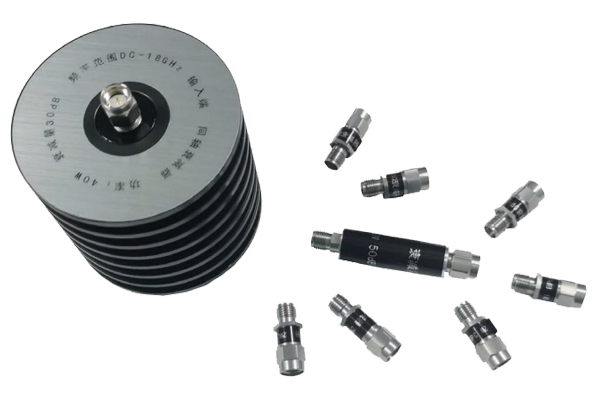
The foundation of impedance matching is selecting RF attenuators that match the system impedance specifications. RF systems typically have fixed standard impedances, requiring attenuators whose input and output impedances perfectly match the system impedance.
If the attenuator impedance does not match the system impedance, it will directly cause signal reflection. Selecting attenuators with matched specifications reduces impedance mismatch problems at the source, providing a fundamental guarantee for signal transmission.
Adjusting with Impedance Matching Networks
When there is a slight impedance deviation between the RF attenuator and the system, precise adjustment can be achieved through an external impedance matching network. Matching networks consist of components such as inductors and capacitors, and their parameters can be configured according to the actual impedance differences.
By properly designing the topology and component parameters of the matching network, the impedance difference between the attenuator and the system can be reduced to an acceptable range, reducing signal reflection loss, ensuring impedance continuity of the RF link, and improving signal transmission efficiency.
Optimizing Transmission Link Connection Technology
The connection quality of the transmission link directly affects the impedance matching effect. During connection, ensure a tight and secure connection between the attenuator and the transmission line/interface to avoid poor contact or excessive gaps.
Simultaneously, ensure impedance consistency at the connection points to reduce additional impedance caused by improper connections. Proper connection procedures prevent the introduction of additional impedance interference, maintain link impedance stability, and ensure the impedance matching between the attenuator and the system is not disrupted.
Controlling Operating Environment and Parameters
Changes in the operating environment and operating parameters may alter the RF attenuator's impedance characteristics, thereby disrupting the matching state. Temperature, humidity, and other conditions in the operating environment must be controlled to prevent extreme environments from affecting the performance of the attenuator's internal components.
Simultaneously, ensure the attenuator operates within its rated power and frequency range to prevent abnormal impedance characteristics due to overload or frequency deviation. Stable operating conditions maintain the attenuator's impedance stability and ensure long-term impedance matching effectiveness.
By implementing these four strategies, engineers can ensure optimal impedance matching for RF attenuators, leading to improved signal integrity, reduced reflection losses, and enhanced overall system performance in demanding RF applications.