


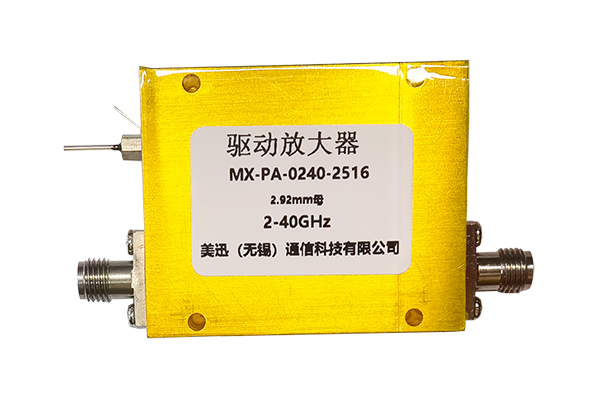




How to troubleshoot the fault problems of RF attenuators
RF Attenuator Troubleshooting
A systematic approach to identifying and resolving fault problems in RF attenuators to minimize downtime and ensure system reliability.
Visual Inspection
Start with a visual inspection of the attenuator. Check for signs of physical damage, such as cracks on the housing, loose connections, or discoloration that may indicate overheating.
Poorly connected cables or damaged connectors are common causes of signal loss or irregular performance. Ensure that all connections are secure and free from corrosion, as contaminants can disrupt signal transmission.
Verify Operating Conditions
Assess whether the device is operating within the recommended environmental parameters, such as temperature and humidity ranges.
Extreme environmental conditions can cause temporary or permanent faults, including reduced attenuation accuracy or complete failure. Check if the attenuator is receiving the correct input power, as excessive input can damage internal components.
Signal Performance Testing
Conduct signal performance testing to identify potential issues. Use appropriate RF testing equipment to measure the input and output signals of the attenuator.
Compare the actual performance with the manufacturer's specifications. Deviations may indicate internal component damage. Pay attention to signal reflections or unexpected signal loss.
Systematic Troubleshooting Process
By following this systematic troubleshooting process, you can effectively identify and resolve fault problems of RF attenuators, ensuring the stability and reliability of your RF system:
- Visual inspection - Check for physical damage, loose connections, and signs of overheating
- Verification of operating conditions - Ensure environmental parameters and input power are within specifications
- Signal performance testing - Measure input/output signals and compare with manufacturer specifications
- Reference to technical documentation - Consult manufacturer guides for common faults and solutions
- System isolation - Isolate the attenuator to determine if the issue lies within the device or other components
- Expert consultation - Seek support from technical experts or the manufacturer for complex faults
Refer to the manufacturer's technical documentation for guidance on common faults and troubleshooting steps. Reputable manufacturers often provide detailed troubleshooting guides that outline typical failure scenarios and corresponding solutions.
Conclusion
Troubleshooting fault problems of RF attenuators requires a systematic approach that combines an understanding of device characteristics, system integration, and common failure triggers. Timely and accurate troubleshooting can minimize downtime, prevent further damage to associated components, and restore the normal operation of RF systems efficiently.
If the fault persists after initial checks, consider isolating the attenuator from the rest of the system to determine if the issue lies with the attenuator itself or other system components. Seeking support from technical experts or the manufacturer can also help resolve complex faults that require specialized knowledge or equipment.