


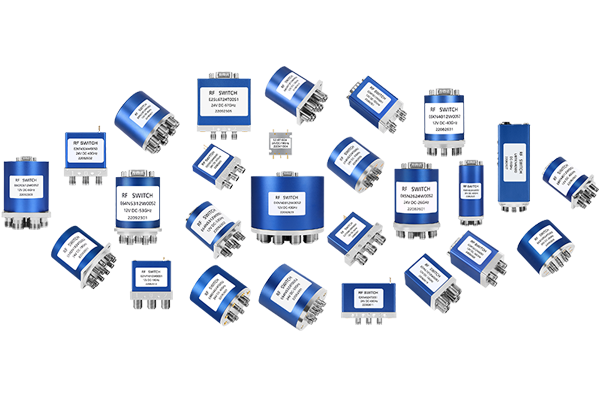





How to test the switching performance of coaxial switches
Testing the switching performance of coaxial switches is essential to ensure their reliability and effectiveness in electronic systems. A systematic testing approach covers multiple key aspects, starting with thorough preparation to lay a solid foundation for accurate results.
Preparation Phase
- Check the overall condition of the coaxial switch
- Ensure all connections are secure and stable
- Set up compatible signal sources and measuring instruments
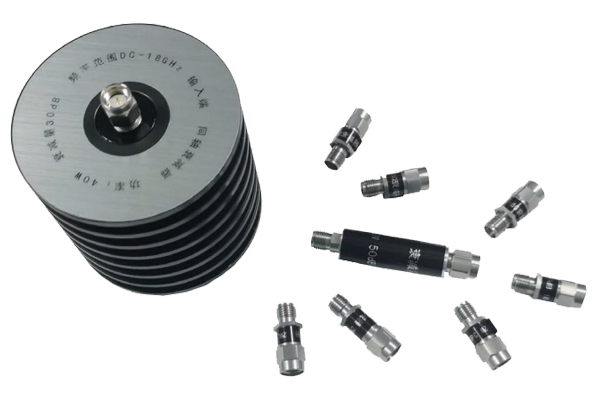
- Include matching loads to simulate real-world scenarios
- Calibrate measuring equipment in advance to avoid errors
Switching Speed Evaluation
- Monitor signal transition during channel changes
- Observe time interval between trigger and stable output
- Assess how quickly the switch responds to commands
- Measure transition time under various signal conditions
- Record switching speed consistency across multiple cycles
Contact Reliability Verification
- Repeatedly switch between multiple channels
- Detect signal interruptions or fluctuations
- Monitor for any transmission anomalies
- Verify stable signal during repeated switching
- Evaluate contact performance over extended cycles
Environmental Testing
- Conduct tests under varying temperature conditions
- Evaluate performance with humidity variations
- Test in typical operating environments
- Assess performance under extreme conditions
- Confirm switch adaptability to environmental changes
Data Analysis & Validation
- Comprehensive analysis of collected test data
- Compare results against specification requirements
- Identify any performance deviations or anomalies
- Determine if switching performance meets application needs
- Document findings for quality assurance records
Additional Considerations
- Test with different signal frequencies and power levels
- Evaluate long-term durability through extended cycling
- Assess electrical characteristics (VSWR, insertion loss)
- Verify mechanical robustness and actuation consistency
- Consider application-specific stress conditions