


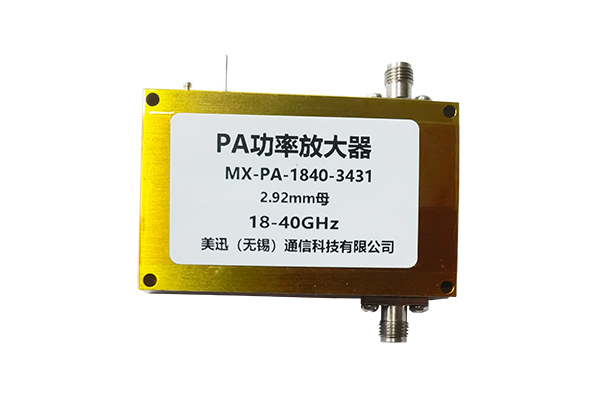
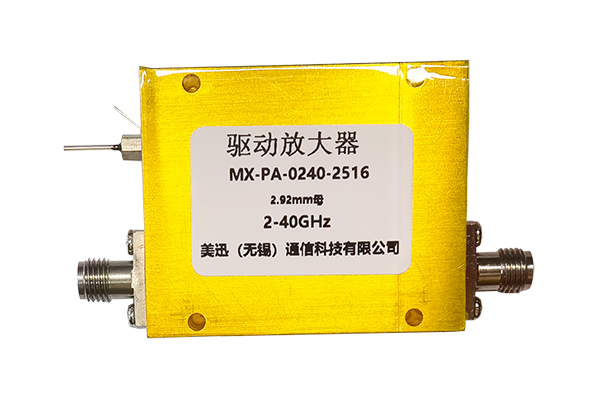




How to Test the Reliability of an RF Power Amplifier
RF Power Amplifier Reliability Testing
Four essential testing methodologies to ensure the RF power amplifier maintains stable performance, longevity, and consistency under various operating conditions.
1
Environmental Adaptability Testing
- Fundamental verification: Simulate extreme environmental conditions for RF power amplifier operation.
- Real-world simulation: Test under temperature and humidity extremes encountered in actual applications.
- Core parameter monitoring: Focus on stability of gain, efficiency, and signal distortion.
- Performance assessment: Observe functional abnormalities during continuous operation.
- Tolerance determination: Ensure amplifier stability in complex real-world scenarios.
2
Long-Term Aging Testing
- Lifespan assessment: Evaluate RF power amplifier longevity and stability through extended operation.
- Continuous monitoring: Periodically check degradation of performance parameters under rated conditions.
- Acceptance criteria: Parameter degradation within reasonable range indicates reliability compliance.
- Proactive identification: Detect potential problems from component aging before field deployment.
- Performance assurance: Guarantee stable amplifier performance during long-term use.
3
Electrical Stress Impact Testing
- Power fluctuation tolerance: Verify RF power amplifier resilience to electrical stress variations.
- Extreme scenario simulation: Test under supply voltage fluctuations and transient overvoltages.
- Damage assessment: Detect potential damage or functional failure from electrical stress.
- Protection mechanism evaluation: Observe effectiveness of amplifier protection systems.
- Reliability assurance: Ensure operation in unstable power environments without malfunction.
4
Performance Consistency Testing
- Batch reliability: Ensure consistent performance across RF power amplifier production batches.
- Uniform condition testing: Test samples from same batch under identical conditions.
- Core parameter comparison: Compare differences in gain, efficiency, and linearity.
- Acceptable variance: Parameter differences within acceptable ranges indicate good consistency.
- System reliability: Avoid failures from individual performance variations, improving overall amplifier system reliability.