


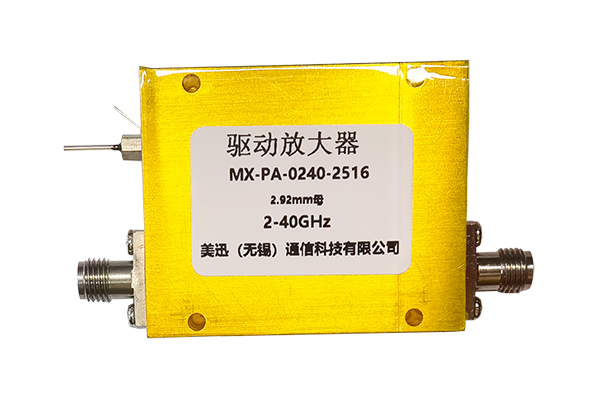




How to Test the Quality of an RF Attenuator
RF Attenuator Performance Qualification
1. Verify Attenuation Meets Specification
- Establish a test link using an RF signal generator and a power meter.
- Compare signal power values before and after connecting the RF attenuator.
- Calculate the deviation between the actual attenuation and the nominal value.
- If deviation is within the allowable range, the attenuation is qualified.
- Excessive deviation beyond the design threshold indicates a faulty attenuator that cannot effectively weaken the signal.
2. Assess Impedance Matching Status
- Use a network analyzer to test the VSWR (Voltage Standing Wave Ratio) at input and output ports.
- VSWR directly reflects the degree of impedance matching.
- Good matching is close to ideal; a high VSWR indicates severe impedance mismatch.
- Impedance mismatch increases signal reflection loss, reduces power transmission efficiency, and affects downstream equipment.
- An excessive VSWR signifies a faulty attenuator.
3. Inspect Physical & Connection Integrity
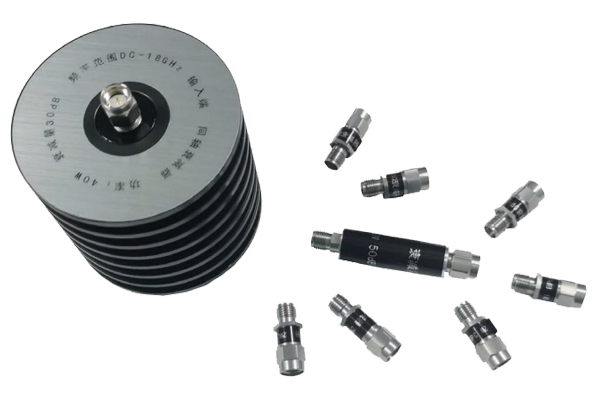
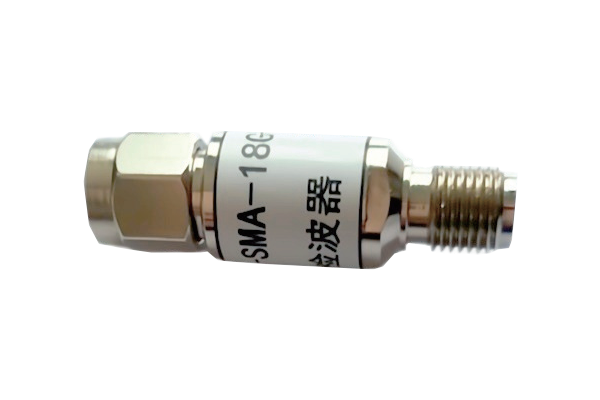
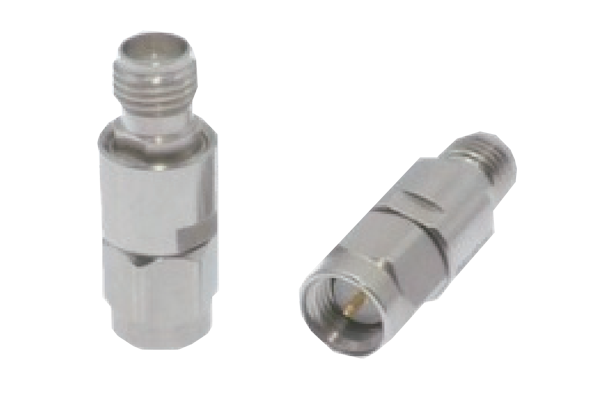
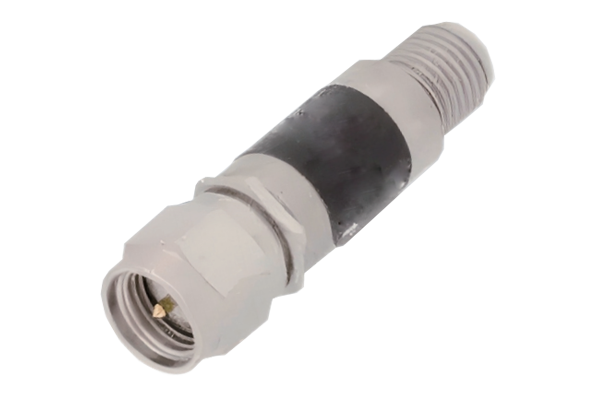
- Perform a thorough visual inspection of the RF attenuator.
- Check the casing for damage, deformation, or oxidation.
- Inspect interfaces for looseness, poor contact, bent pins, or damage.
- A damaged casing can lead to internal component moisture ingress and failure.
- Interface failures directly disrupt signal transmission. Presence of defects indicates a damaged attenuator.
4. Test Frequency Response Stability
- A high-quality RF attenuator must maintain stable attenuation performance across its rated frequency range.
- Use a network analyzer to test attenuation at multiple frequency points.
- Small deviations across the specified range indicate stable frequency response.
- Large fluctuations in attenuation with frequency change, exceeding allowable limits, indicate abnormal frequency characteristics.
- Such an attenuator cannot function stably across its operating band and is considered performance-damaged.
Note: All tests should be conducted per the attenuator's datasheet and relevant industry standards (e.g., MIL-STD, IEC).
RF Attenuator Qualification Procedure | Core Performance Verification