


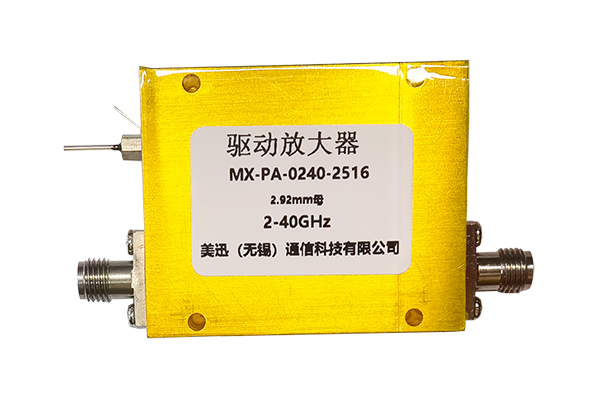




How to Store an RF Attenuator
Optimal Storage Practices for RF Attenuators
Follow these essential guidelines to maintain the performance and longevity of your precision RF components during storage periods.
1. Environmental Control
-
Maintain a stable temperature and humidity environment. Extreme conditions can degrade the RF attenuator internal components and material properties.
-
Prevent exposure to dust, corrosive gases, and contaminants that could adhere to surfaces or penetrate the housing.
-
High temperatures accelerate aging, low temperatures affect material performance, and humidity promotes oxidation and potential circuit shorts.
2. Port Protection
-
Always use dedicated protective caps or seals on all input/output ports of the RF attenuator.
-
This prevents ingress of dust and moisture, avoiding pin oxidation and connection issues.
-
Avoid mechanical impact or pressure on connectors to prevent bent pins and ensure reliable future connections.
3. Safe Placement
-
Store on a flat, dry surface. Avoid stacking multiple units to prevent casing deformation or internal component displacement.
-
Use individual protective packaging or organized shelving, away from vibration-prone or high-traffic areas.
-
Keep away from sharp objects and magnetic materials that could scratch housings or interfere with internal circuitry.
4. Regular Inspection & Maintenance
-
Conduct periodic inspections during extended storage. Check for casing corrosion, port seal integrity, and environmental stability.
-
Promptly address any anomalies and adjust storage conditions as needed to preserve the RF attenuator condition.
-
Replace protective caps periodically if they show signs of aging to ensure continuous contamination barrier.