


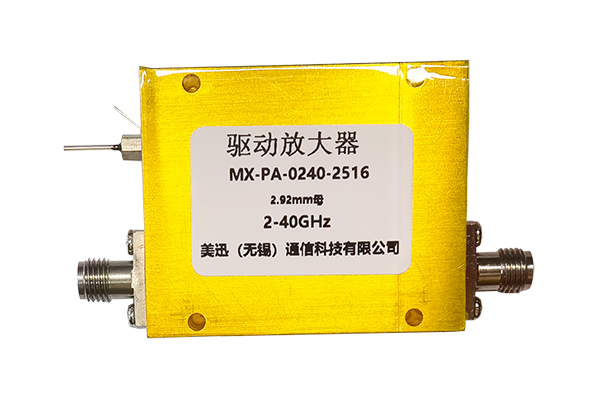




How to Select an RF Power Divider
Selecting the right RF power divider requires balancing application requirements with core performance parameters across multiple dimensions to ensure stable signal transmission and efficient system operation.
1
Frequency Band & Power Capacity
- Ensure the frequency range matches your system's operating band to avoid signal attenuation
- Select appropriate power handling capacity to prevent component damage
- Consider both transmitter output power and potential power spikes
- Verify performance across the entire required bandwidth
2
Core Electrical Performance
- Minimize insertion loss to maintain signal strength and system efficiency
- Maximize isolation between output ports to reduce crosstalk
- Maintain low VSWR for proper impedance matching and minimal reflection
- Consider amplitude and phase balance between output ports
3
Impedance & Structure Type
- Match the standard impedance (typically 50Ω) to your RF system requirements
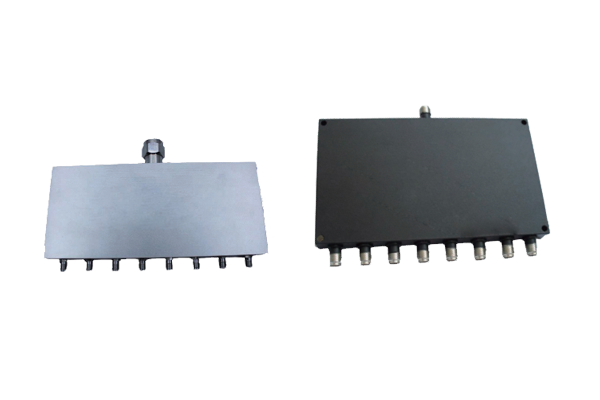
- Choose microstrip for compact, integrated applications
- Select cavity designs for high-power, low-insertion-loss needs
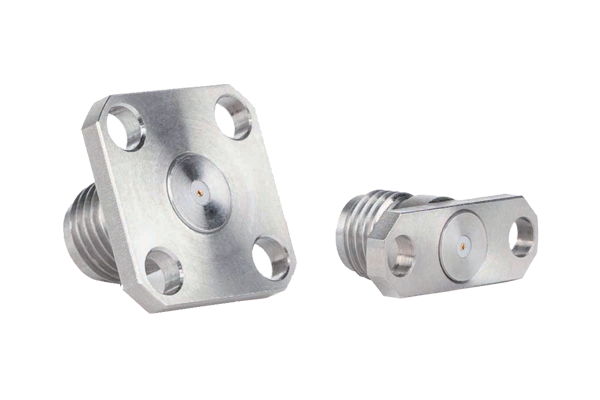
- Consider connector types, size constraints, and mounting requirements
4
Environmental Requirements
- Select models rated for specific temperature and humidity ranges
- Consider vibration and shock resistance for mobile applications
- Evaluate EMI protection needs in electrically noisy environments
- Factor in installation space, accessibility, and long-term reliability
Key Takeaway: Proper RF power divider selection requires careful evaluation of these four dimensions. Matching frequency and power capabilities, optimizing electrical performance, ensuring impedance compatibility, and considering environmental factors are all critical for optimal system performance and reliability.