


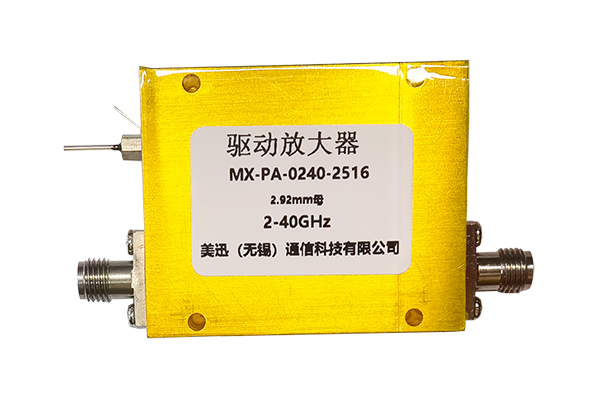




How to select an RF pin diode switch for a project
RF Pin Diode Switch Selection Guide
Frequency Range Compatibility
- Selecting an RF pin diode switch requires careful alignment with the project's specific needs.
- First, identify the frequency range the switch must cover, as different RF pin diode switches are optimized for specific bands.
- Matching this to the project's operating frequencies ensures minimal signal loss and reliable performance.
- A switch designed for lower frequencies may not perform well in high-frequency microwave applications.
Power Handling Capability
- Evaluate the power handling capability of the RF pin diode switch.
- Projects with high-power signals need switches that can withstand higher power levels without degradation.
- Low-power applications may prioritize smaller size or lower cost over high-power tolerance.
- Balancing power needs with other factors prevents overspecifying or undersizing the component.
Insertion Loss and Isolation Performance
- Low insertion loss ensures minimal signal attenuation, vital for maintaining signal strength.
- Strong isolation prevents unwanted signal leakage between channels.
- This is key for multi-channel switching setups where cross-talk could disrupt functionality.
- Comparing these parameters helps narrow down RF pin diode switches that meet signal integrity demands.
Packaging and Integration Needs
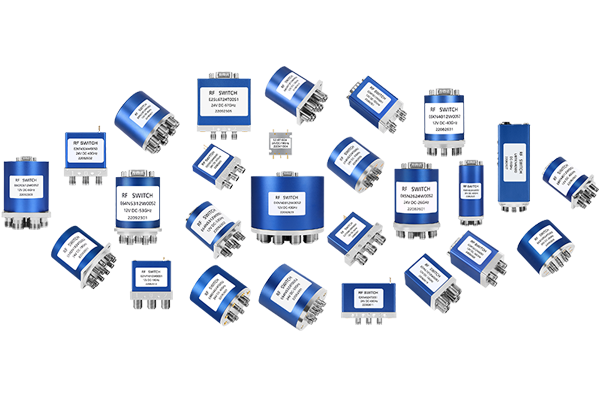
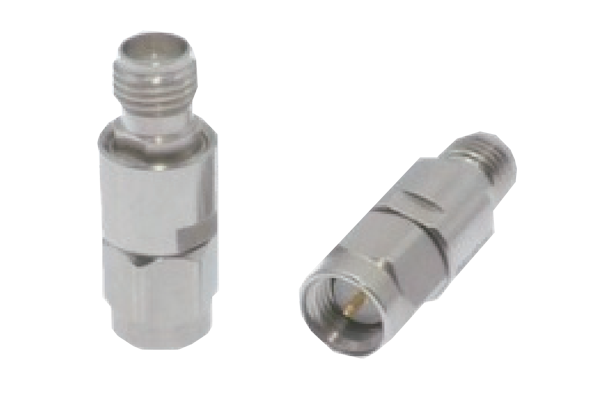
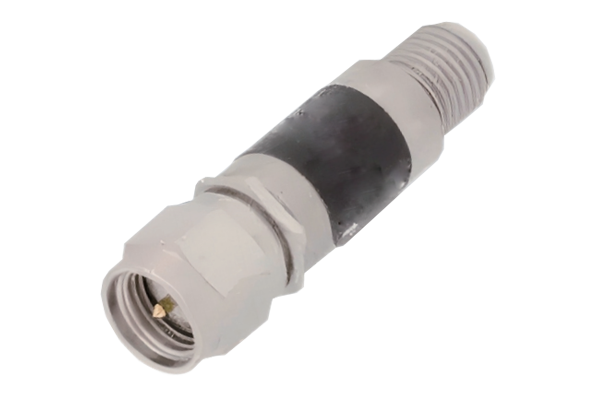
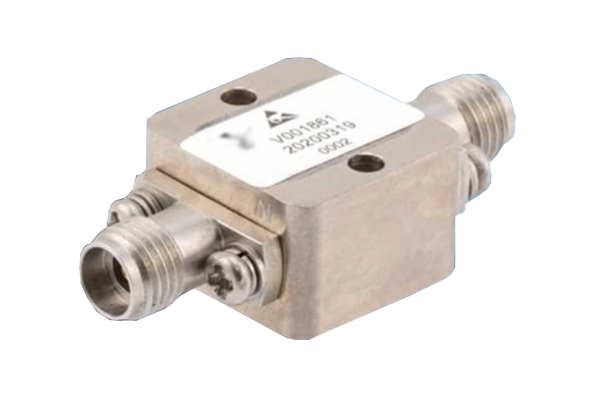
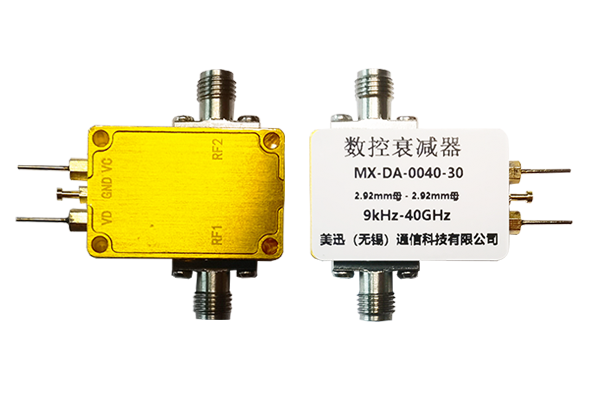
- Consider the RF pin diode switch packaging and integration needs.
- Compact projects require miniaturized packages that fit within space constraints.
- Industrial systems may prioritize rugged packaging for durability.
- Compatibility with circuit design ensures seamless integration without major modifications.
Environmental Considerations
- Factor in environmental conditions like temperature range and humidity resistance.
- RF pin diode switches used in harsh environments need robust construction.
- This ensures the switch maintains performance over time in challenging conditions.
- Environmental resilience is crucial for long-term reliability of the RF pin diode switch.
Voltage and Current Requirements
- Ensure compatibility with the project's voltage and current requirements for biasing.
- Proper biasing is essential for optimal performance of the RF pin diode switch.
- Mismatched biasing can lead to performance degradation or component failure.
- Verify that the selected switch aligns with your system's power supply capabilities.
Selection Strategy
By weighing these interconnected factors—frequency range, power handling, insertion loss, isolation, packaging, environmental resilience, and biasing requirements—you can select an RF pin diode switch that aligns with your project's functional, spatial, and environmental requirements, ensuring optimal performance and reliability.