


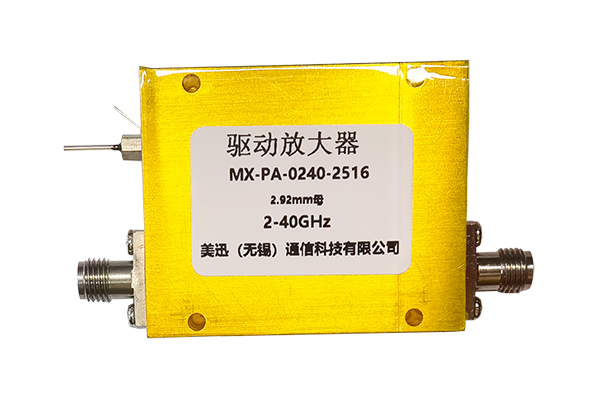




How to Match the Input Impedance of an RF Power Amplifier
RF Power Amplifier Impedance Matching
Achieving optimal impedance matching between signal sources and RF power amplifiers is essential for minimizing signal reflection loss, reducing distortion, and ensuring efficient power transfer across the operating frequency band.
Core Objective Definition
- Achieve impedance matching between signal source and RF power amplifier input to reduce reflection loss.
- Minimize signal distortion by preventing reflections due to impedance mismatch.
- Define impedance characteristics for efficient signal transmission in amplifier designs.
- Establish foundation for matching schemes with reduced additional losses.
Matching Topology Selection
- Select topology based on impedance differences for RF power amplifier applications.
- Choose structures that cancel inductive or capacitive impedance components.
- Consider operating frequency band and impedance magnitude differences.
- Ensure effective matching while minimizing signal loss in amplifier circuits.
Component Parameter Optimization
- Select components with excellent high-frequency characteristics for RF power amplifiers.
- Use stable parameters to avoid fluctuations affecting matching performance.
- Precisely set parameters to effectively compensate for impedance differences.
- Consider frequency response for amplifier requirements across operating band.
Precise Adjustment & Calibration
- Use professional testing equipment for RF power amplifier impedance matching.
- Obtain key indicators like reflection coefficient to determine compliance.
- Fine-tune component parameters or structure to reduce reflection loss.
- Adjust at different nodes for consistent amplifier performance across band.
Effective impedance matching for RF power amplifiers requires careful consideration of core objectives, appropriate topology selection, optimized component parameters, and precise calibration to ensure maximum power transfer and minimal signal reflection across the target frequency range.