


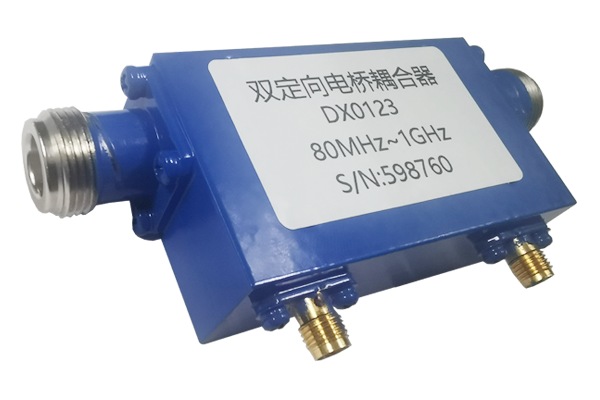




How to match the impedance of a bridge coupler
🔷 Bridge Coupler · Impedance Matching
Precision techniques for low VSWR & high directivity
1. Transmission Line Optimization
- Accurate microstrip/stripline width, length & dielectric thickness control for characteristic impedance.
- Quarter-wavelength converters or multi-section impedance transformation structures.
- Gradual or stepped impedance changes smooth signal path & reduce port reflections.
- Ensures wideband matching between main line and coupled path.
2. Termination Load Resistors
- High-precision thin-film resistors connected at isolation ports / internal nodes.
- Resistor value exactly equals system characteristic impedance to absorb reflected energy.
- Termination treatment ensures directivity and maintains impedance balance.
- Consumes stray energy, preventing VSWR deterioration and preserving signal integrity.
3. Balanced Circuit Technology
- Two perfectly symmetrical amplifiers/branches with bridge power distribution/combining.
- Significantly improves voltage standing wave ratio (VSWR) at ports.
- Circuit symmetry cancels out individual component mismatches at system level.
- Near-perfect impedance matching after bridge combining, ideal for high-performance couplers.
4. Compensation & Tuning Networks
- Parallel/series capacitors and inductors at key nodes fine-tune local impedance.
- Counteracts negative impact of parasitic parameters and high-frequency effects.
- Corrects impedance deviations caused by manufacturing tolerances or complex environments.
- Ensures stable input & output impedance across full frequency range for efficient transmission.