






How to judge the power capacity of RF attenuators
RF Attenuator Power Capacity Assessment
A comprehensive guide to evaluating the power handling capabilities of RF attenuators by analyzing material properties, thermal management, operating environment, and manufacturer specifications for optimal system stability and reliability.
Judging the power capacity of RF attenuators is a critical step in ensuring the stability and reliability of RF systems. This process requires a comprehensive understanding of the attenuator's design, material properties, and operating conditions, as these factors directly influence how much power the device can handle without performance degradation or permanent damage.
By systematically evaluating these key aspects, you can select the appropriate attenuator for your specific application requirements and ensure long-term operational integrity.
Material Composition Analysis
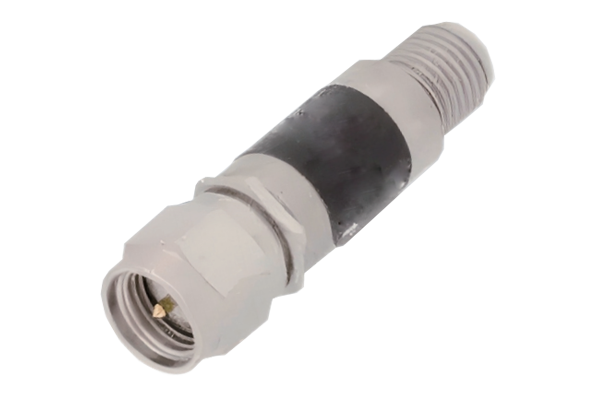
- Focus on Resistive Elements The core components that bear power loads, such as resistive elements, play a key role in determining power capacity. Materials with excellent thermal conductivity and high resistance to thermal degradation are more likely to support higher power levels.
- Review Manufacturer Specifications You can obtain information about these materials from product specifications provided by manufacturers, which often detail the types of resistive materials used and their inherent thermal characteristics.
- Assess Thermal Properties Evaluate the thermal expansion coefficients and maximum temperature ratings of materials to understand how they will perform under sustained power loads.
Thermal Management Design
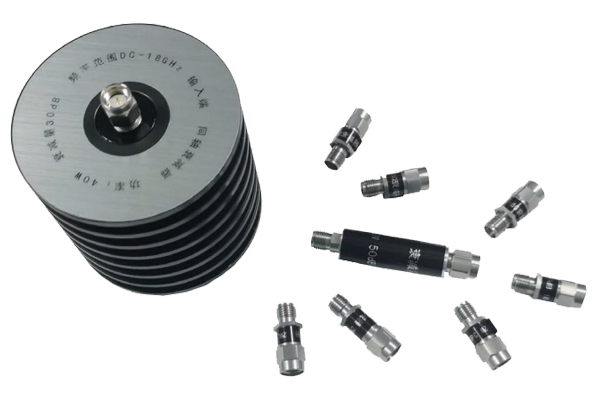
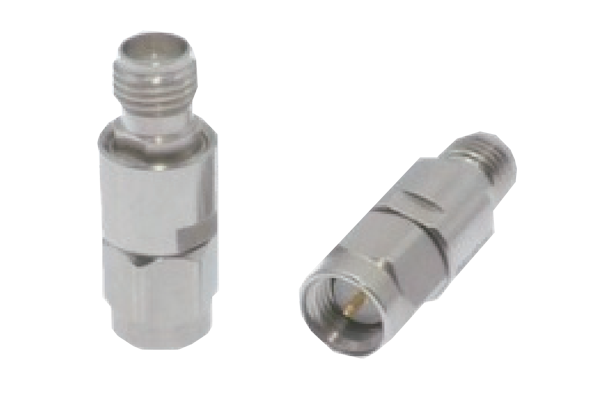
- Evaluate Heat Dissipation Features Effective heat dissipation is essential for handling continuous power input, as excessive heat buildup can damage internal components. Observe the physical structure of the attenuator—designs that incorporate heat-dissipating features, such as extended surfaces or integrated heat sinks, typically have higher power capacity.
- Assess Housing Material The housing material can impact heat dissipation; materials with good thermal conductivity help transfer heat away from critical components more efficiently.
- Consider Thermal Pathways Analyze how heat flows from the resistive elements through the attenuator body to the external environment, identifying potential thermal bottlenecks.
Operating Environment Considerations
- Evaluate Ambient Conditions Factors such as ambient temperature, airflow, and proximity to other heat-generating components can affect the attenuator's ability to handle power. In environments with poor heat dissipation, the effective power capacity may be reduced, even if the device is rated for higher levels under ideal conditions.
- Compare with Manufacturer Parameters It is necessary to consider how the operating environment aligns with the manufacturer's recommended operating parameters related to thermal conditions.
- Account for Altitude and Humidity High-altitude environments with reduced air density or high-humidity conditions can affect cooling efficiency and must be considered in power capacity assessments.
Technical Documentation & Reliability Data
- Review Manufacturer Testing Data Reputable manufacturers conduct rigorous testing to determine the power capacity of their attenuators, and their technical guides often outline key indicators and evaluation criteria.
- Understand Operating Limits Pay attention to descriptions of operating limits under different conditions, as well as any warnings about potential issues when exceeding recommended power levels.
- Seek Industry Expertise Additionally, seeking insights from industry peers or professional reviews can provide practical experience-based guidance on judging power capacity for specific use cases.
Integrated Assessment Approach
By integrating these four key considerations, you can make accurate judgments about RF attenuator power capacity:
Holistic Evaluation
Power capacity should not be judged based on a single parameter. Instead, consider the interplay between material properties, thermal design, operating environment, and manufacturer specifications to get a complete picture of an attenuator's capabilities.
Safety Margins
Always incorporate appropriate safety margins when selecting attenuators for your application. A common practice is to select devices rated for at least 1.5 times the maximum expected power to account for unexpected peaks and long-term reliability.
Performance Monitoring
Implement regular performance monitoring of attenuators in high-power applications. Track temperature rise, insertion loss stability, and return characteristics to detect early signs of degradation before failure occurs.
Application-Specific Selection
Different applications have different requirements. Continuous wave systems may prioritize thermal management, while pulsed systems might focus on peak power handling. Always match attenuator specifications to your specific operational needs.
Conclusion: By systematically evaluating material properties, thermal management, operating environment, and manufacturer guidance, you can accurately judge the power capacity of RF attenuators and select the right device for your application needs, ensuring long-term system reliability and performance stability.