






How to drive and control Waveguide Switches
1. Electrical Actuation Systems
- The primary method for operating these devices involves applying specific electrical signals to internal motors or solenoids.
- Waveguide Switches typically require direct current voltage to energize the coils that generate the magnetic force needed for movement.
- Engineers must ensure the power supply matches the rated voltage and current specifications to prevent coil burnout or insufficient torque.
- The electrical interface often includes limit switches that cut power once the mechanical element reaches its final position.
- Proper wiring is essential to guarantee that the actuator moves swiftly and reliably every time a command is issued.
2. Digital Control Interfaces
- Modern systems utilize digital logic circuits or microcontrollers to manage the switching sequence with high precision.
- Waveguide Switches connect to control units via standard logic levels or serial communication protocols for remote operation.
- The controller sends distinct pulse patterns to dictate whether the switch should toggle to the transmit or receive path.
- This digital approach allows for automated testing sequences and integration into complex radar or satellite communication arrays.
- Software algorithms monitor the status feedback to confirm that the physical state matches the commanded state accurately.
3. Timing And Sequence Management
- Precise timing is critical when coordinating the switching action with high power microwave pulses to avoid component damage.
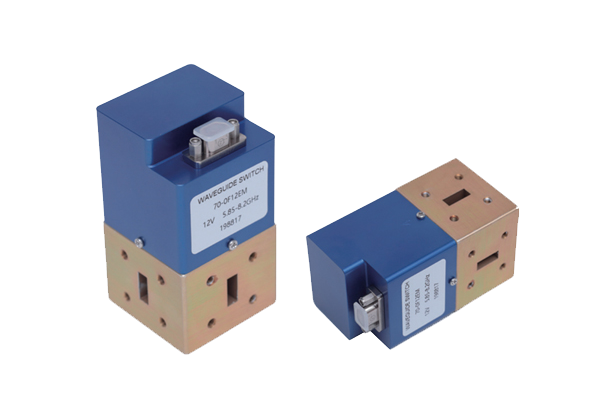
- Waveguide Switches must complete their mechanical travel before the main transmitter activates to prevent arcing inside the waveguide.
- Control systems implement deliberate delays to ensure the metal vane or plunger is fully seated before allowing energy flow.
- Rapid switching applications require optimized drive circuits that minimize the transition time while maintaining mechanical stability.
- Managing this sequence protects both the switch mechanism and the sensitive receiver components from high power surges.
4. Status Monitoring And Feedback
- Reliable operation depends on continuous verification of the switch position through integrated sensor feedback loops.
- Waveguide Switches often include auxiliary contacts or Hall effect sensors that report the actual physical position back to the central controller.
- This feedback mechanism alerts operators if the device fails to reach the intended state due to mechanical obstruction or power loss.
- Monitoring systems can trigger alarms or initiate safety shutdowns if a discrepancy between command and status is detected.
- Regular analysis of this feedback data helps predict maintenance needs and ensures long term system reliability.