


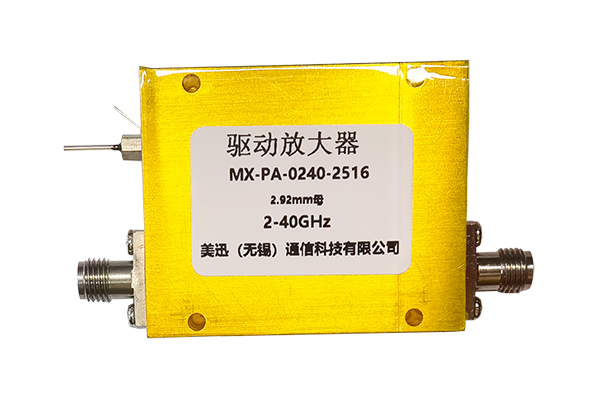




How to Detect Port Faults in an RF Power Divider
Visual Inspection
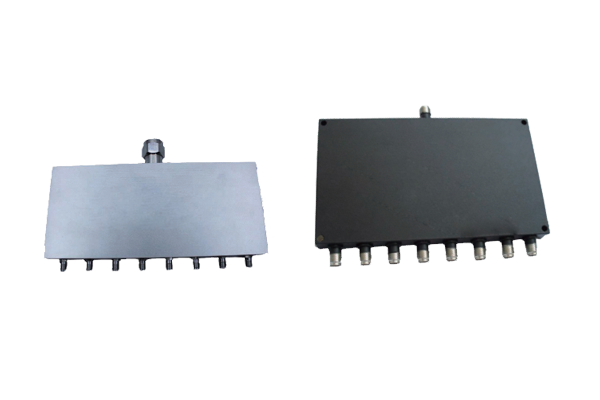
- First, visually inspect the ports of the RF Power Divider for physical damage, such as cracked casings, deformed metal contacts, or oxidation and corrosion.
- Also check the connection points between the port and cables for looseness or poor contact. If foreign objects are found blocking the port, clean them promptly.
- Visual damage or loose connections are often direct causes of signal abnormalities and can help determine the initial fault location in the RF Power Divider.
Signal Transmission Test
- Set up a test environment using a signal generator and spectrum analyzer. Inject a stable RF signal into the RF Power Divider input terminals.
- Test the signal strength and waveform at each output port. Compare the signal parameters with those under normal operating conditions.
- If a port experiences signal loss, a sudden drop in strength, or waveform distortion, it indicates a potential fault in the RF Power Divider.
- During testing, ensure the test equipment is securely connected to avoid misdiagnosis due to test link issues.
Impedance Matching Test
- Use an impedance meter to check the impedance matching of each port in the RF Power Divider.
- Impedance mismatch can lead to signal reflection, increased power loss, and ultimately, port failure.
- If the impedance of a port deviates from the standard value, further investigation is needed to check the internal circuitry or connecting cables.
- Ensure the tester is properly connected to the port to minimize testing errors and accurately determine the impedance matching status of the RF Power Divider.
Replacement Comparison Verification
- Use the replacement method to confirm the fault. Replace the suspected faulty RF Power Divider with a working device.
- If signal transmission returns to normal, the original device's port was faulty. Alternatively, replace the suspected faulty port cable or connector individually.
- Observe signal changes to pinpoint the specific fault location in the RF Power Divider.
- During the replacement process, attention should be paid to equipment model matching to avoid affecting test results due to equipment incompatibility, ensuring accurate and reliable fault diagnosis.