


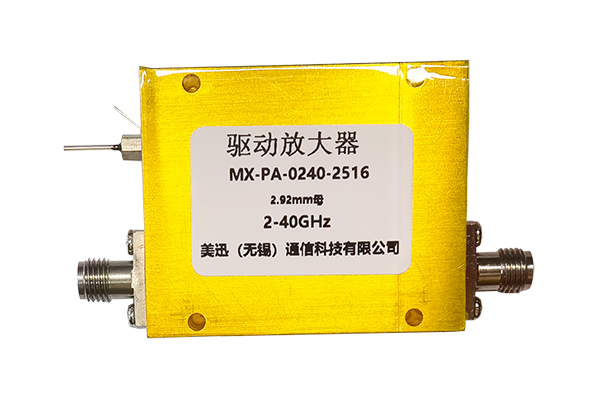




How to choose the right Coaxial Adapter
Coaxial Adapter
Impedance Matching Considerations
Selecting the correct impedance is the most critical step when choosing a Coaxial Adapter for any radio frequency system. Common systems operate at either fifty ohms or seventy five ohms, and mixing these values causes signal reflection and power loss. You must verify the impedance rating of both the source and the load to ensure they align perfectly. A mismatched Coaxial Adapter will degrade performance and potentially damage sensitive equipment due to high standing wave ratios.
- 50 Ω and 75 Ω systems require strict impedance matching
- Mismatch causes reflections, power loss & high VSWR
- Prevents signal degradation and equipment damage
- Essential for optimal RF power transfer and stability
Connector Type Compatibility
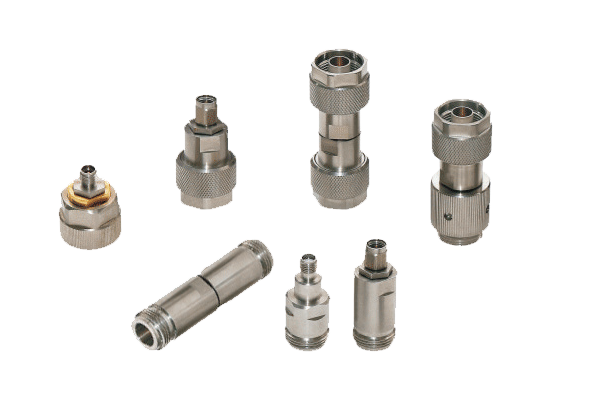
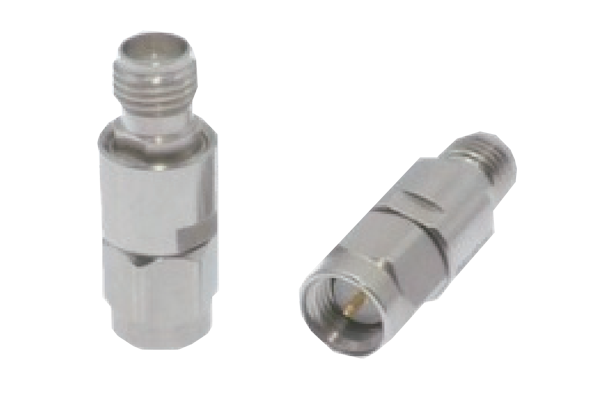
Physical interface compatibility ensures that the adapter connects securely without forcing or damaging the ports. Various standards exist such as SMA, BNC, N Type, and TNC, each with unique coupling mechanisms and dimensions. Inspect the gender and series of the connectors on your devices before purchasing. The Coaxial Adapter must bridge the specific interface types correctly to maintain a solid mechanical connection that withstands vibration and repeated mating cycles.
- SMA, BNC, N-Type, TNC — diverse interface standards
- Gender & series verification prevents forced connections
- Robust mechanical coupling resists vibration & mating cycles
- Ensures secure fit without port damage
Frequency Range Evaluation
Every adapter has a maximum operating frequency limit determined by its internal geometry and dielectric materials. Using a component beyond its rated range leads to increased insertion loss and mode propagation issues. High frequency applications require precision manufacturing to maintain signal integrity up to gigahertz levels. Always check the specified bandwidth to ensure the Coaxial Adapter supports the highest frequency your system will transmit without attenuation.
- Max frequency defined by geometry & dielectric materials
- Exceeding limits causes insertion loss & mode propagation
- Precision construction for GHz-level integrity
- Verify bandwidth to avoid signal attenuation
Material And Build Quality
Construction materials directly impact the longevity and electrical performance of the connection in harsh environments. Brass bodies with gold plating offer excellent conductivity and corrosion resistance for indoor use. Stainless steel housings provide superior durability for outdoor installations exposed to moisture and temperature extremes. A high quality Coaxial Adapter ensures reliable signal transmission over time and reduces the need for frequent replacements in critical infrastructure.
- Brass with gold plating: high conductivity & corrosion resistance
- Stainless steel housings: rugged outdoor durability
- Long-term reliability in harsh environments
- Reduces replacement frequency in critical systems