






How to Calibrate a Bridge Coupler
step 01
Environmental & Equipment Check
Pre‑calibration prerequisites & preparation
- Ambient conditions – temperature 18 °C to 28 °C, relative humidity ≤80%, free from vibration and electromagnetic interference.
- Instrumentation – prepare vector network analyzer (VNA), matched load, and standard mismatched load.
- Preheat VNA to stable state; complete instrument self‑calibration per manual.
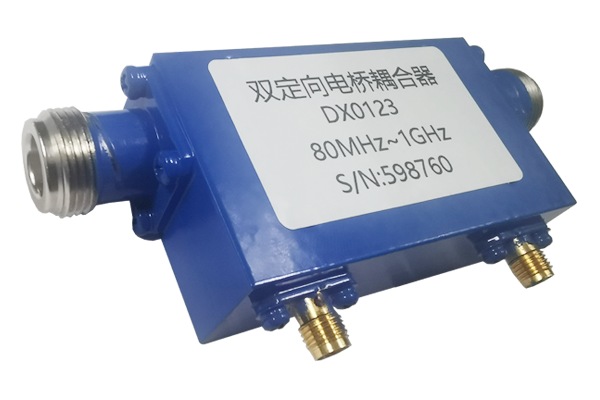
- Inspect bridge coupler for mechanical damage, check test lead connections: no looseness or oxidation.
- Secure foundation for subsequent calibration operations.
step 02
Core Performance Calibration
Return loss, insertion loss & coupling coefficient
- Port return loss – connect input, output and coupling ports to VNA and matched load respectively; set IF bandwidth, sampling points & averaging; record return loss across frequencies.
- Insertion loss – adjust equipment connections, measure insertion loss data at each frequency point under identical parameter settings.
- Coupling coefficient – use dedicated connection setup to accurately measure and record coupling coefficient values at relevant frequencies.
- Comprehensive control of core performance ensures system fidelity.
step 03
Directional Characteristic Calibration
Directivity & reverse signal isolation
- Directional performance is critical for signal separation – calibrate using standard connection methods.
- Configure vector network analyzer parameters; read isolation values at corresponding frequency points.
- Calculate directional index from measured isolation data.
- Effectively verifies bridge coupler's ability to suppress reverse signals, ensuring good directivity.
- Prevents signal crosstalk and maintains normal equipment operation.
step 04
Data Processing & Maintenance
Archiving, verification & long‑term stability
- Organize calibration data; compare each parameter against standard requirements to determine compliance.
- Promptly record results, issue calibration certificates, archive documents for future traceability.
- Perform monthly rapid performance verification of the bridge coupler.
- If deviations exceed allowed range, repeat the complete calibration process.
- Maintain proper storage environment; clean and service equipment regularly to extend lifespan and ensure long‑term measurement accuracy.
🔍 Regular monthly checks + environmental control guarantee reliable directional coupling.