


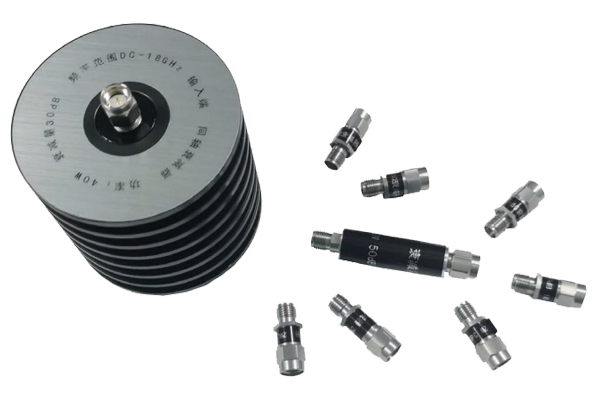
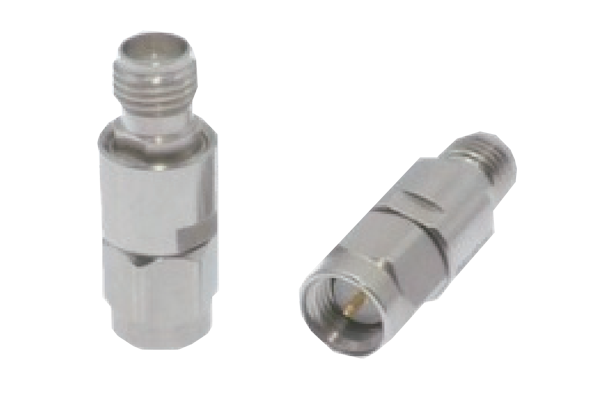
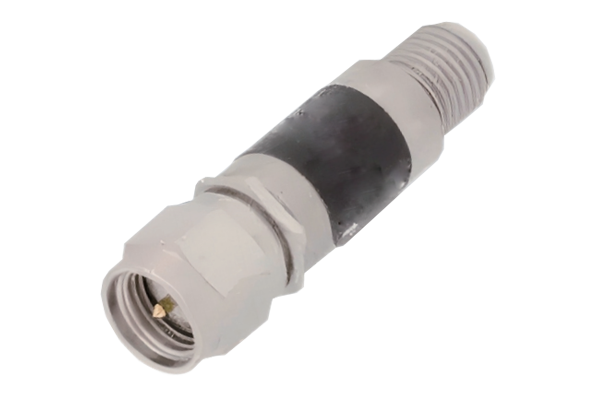
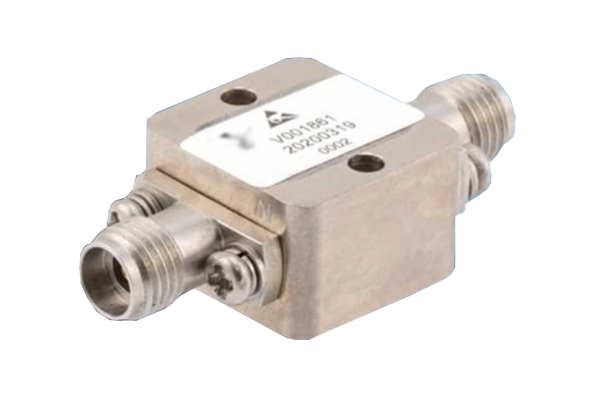
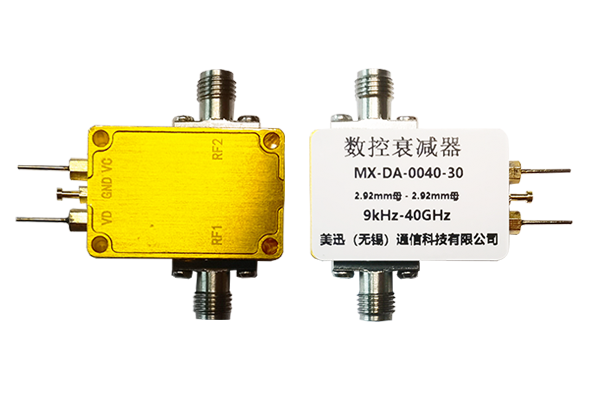




How is the Temperature Stability of the RF Attenuator
1. The Impact of Temperature on Attenuation Performance
- The temperature stability of an RF attenuator is primarily reflected in the stability of its attenuation performance when the ambient temperature changes.
- Temperature fluctuations can cause changes in the internal material properties of the device, thus affecting the consistency of the attenuation value.
- The greater the temperature deviation, the higher the possibility that the attenuation value deviates from the nominal value, which may lead to a decrease in signal transmission accuracy and affect the stability of the entire RF link.
2. Stability Performance in Environmental Conditions
- In a normal temperature environment, a high-quality attenuator exhibits excellent temperature stability, and the attenuation value remains stable, meeting normal usage requirements.
- In high-temperature environments, some devices may experience attenuation drift and performance degradation, while low-temperature environments may lead to poor internal contact of the device, also affecting stability.
- Attenuators made of different materials exhibit different performance under extreme temperatures.
3. Key Factors Affecting Temperature Stability
- The material of the device is the core factor affecting temperature stability. High-quality materials can effectively suppress performance fluctuations caused by temperature changes.
- In addition, the device's packaging process also affects stability. Good packaging reduces the impact of ambient temperature on the internal structure, preventing aging and damage to internal components due to temperature changes, thus ensuring stable attenuation performance.
4. Methods to Improve Temperature Stability
- During use, the attenuator should be placed in a relatively stable temperature environment, avoiding prolonged exposure to extreme temperatures.
- Simultaneously, selecting attenuators with high-quality materials and excellent packaging, regularly cleaning and maintaining the device, and promptly identifying performance abnormalities caused by temperature aging can effectively improve the attenuator's temperature stability and extend its service life.