






How is the electromagnetic compatibility of the directional coupler
Directional Coupler Electromagnetic Compatibility Features
Advanced EMC characteristics ensuring robust performance in complex electromagnetic environments
Strong Resistance to External Electromagnetic Interference
The structural design includes shielding layers and isolation components, effectively preventing the impact of external electromagnetic fields on internal signal transmission. In complex electronic environments, even in the presence of electromagnetic radiation from various high-frequency devices, the coupler maintains stable signal transmission between the primary and secondary circuits, reducing signal distortion caused by interference.
Minimal Electromagnetic Radiation Emission
It will not significantly interfere with surrounding devices. Its internal signal transmission path is optimized, keeping electromagnetic field leakage to a low level, meeting the device radiation limits set by electromagnetic compatibility standards, making it suitable for operation with other sensitive electronic components in compact system spaces.
Excellent Compatibility with Various Device Types
It adapts to the interface specifications of various signal sources and receivers. Whether connected to an RF generator, power amplifier, spectrum analyzer, or oscilloscope, it ensures efficient signal transmission and coupling, reducing electromagnetic reflection problems caused by impedance mismatches or interface differences.
Stable EMC Performance Across Wide Frequency Range
There is no significant increase in electromagnetic interference (EMI) or decrease in anti-interference capabilities due to changes in operating frequency. Its shielding effectiveness and signal isolation characteristics remain consistent across a range of low-frequency and high-frequency applications, ensuring the overall electromagnetic compatibility of the system.
Electromagnetic Pulse Resistance Capability
When subjected to a brief, strong electromagnetic pulse, the internal protective structure absorbs some of the energy, reducing damage to core components, preventing sudden interruption of signal transmission or a sharp deterioration of performance parameters, and ensuring reliable operation of the device in challenging electromagnetic environments.
Key EMC Qualification Standards Compliance
- FCC Part 15 - Radio Frequency Devices
- CISPR 22/32 - Information Technology Equipment
- MIL-STD-461G - Requirements for the Control of Electromagnetic Interference
- IEC 61000-4 Series - Electromagnetic Compatibility Testing
- EN 55032 - Electromagnetic compatibility of multimedia equipment
- DO-160G - Environmental Conditions and Test Procedures for Airborne Equipment
Reference Information
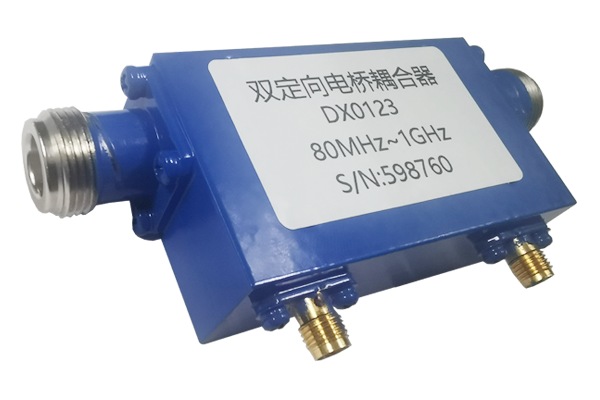
Directional couplers are four-port circuits where one port is isolated from the input port. Directional couplers are passive reciprocal networks. All four ports are (ideally) matched, and the circuit is (ideally) lossless. Directional couplers can be realized in microstrip, stripline, coax and waveguide. They are used for sampling a signal, sometimes both the incident and reflected waves.