






How fast can coaxial switches switch
The switching speed of coaxial switches is a critical performance indicator that directly affects the overall efficiency and responsiveness of the systems they are integrated into. Understanding the factors that govern this speed is essential for selecting the right switch for specific applications.
-
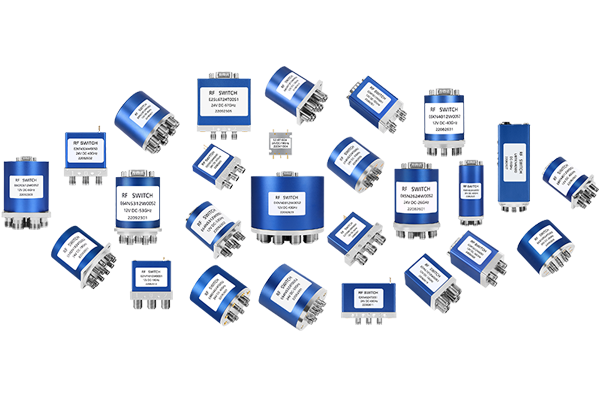
1Switch Technology TypeMechanical coaxial switches, which rely on physical movement of internal components to establish or break connections, typically exhibit slower switching speeds compared to solid-state alternatives. The mechanical design involves moving parts that require time to accelerate, move to the target position, and stabilize, introducing inherent delays.Solid-state coaxial switches operate based on electronic principles, without any moving mechanical parts. This absence of physical motion allows them to achieve significantly faster switching responses, making them suitable for applications where rapid signal routing is paramount.
-
2Design & Manufacturing QualityPrecision engineering of internal components, optimized electrical pathways, and high-quality materials can minimize signal delays and enhance switching agility. The driving mechanism of the switch also plays a role; switches with efficient, low-latency control circuits can initiate and complete switching actions more quickly than those with less sophisticated control systems.
-
3Environmental ConditionsExtreme temperatures, humidity, or vibration can affect the performance of mechanical components, potentially slowing down switching or introducing inconsistencies. Solid-state switches, being less susceptible to environmental fluctuations, tend to maintain more consistent switching speeds across varying operating conditions.
-
4Application RequirementsIn practical applications, the required switching speed varies depending on the system's purpose. High-speed communication systems demand switches that can route signals rapidly to support high data transfer rates. Test and measurement setups also benefit from fast-switching coaxial switches, as they enable quick reconfiguration of test circuits and improve measurement efficiency.
Overall, the switching speed of coaxial switches is not a fixed value but a variable influenced by technology type, design quality, environmental factors, and application demands. Selecting a switch with the appropriate switching speed requires a clear understanding of the application's performance requirements and the trade-offs associated with different switch technologies.