






How do Directional Couplers suppress signal reflection
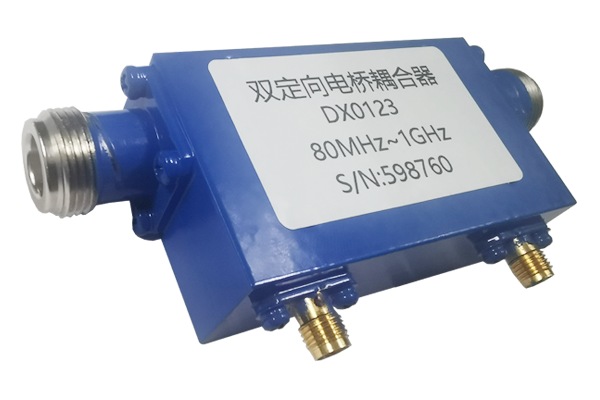
Directional Coupler
Reflection management · destructive interference · impedance tuning · component protection
Signal Separation Mechanism
- Physically separates forward and reverse traveling waves within transmission line
- Coupled port dedicated to forward power remains isolated from returning reflections
- Distinguishes incident signal from unwanted reflection without mixing
- Provides clear, undistorted view of signal integrity
Destructive Interference Design
- Key physical principle that suppresses reflection at specific ports
- Reverse-traveling signals arrive at isolated port with opposite phases
- Opposing waves cancel via destructive interference, nullifying reflection
- Ensures measurement port displays only power flowing in intended direction
Impedance Matching Support
- Facilitates reflection suppression by enabling precise real‑time monitoring
- Samples reflected wave magnitude for tuning elements or matching networks
- Minimizes voltage standing wave ratio (VSWR) across the system
- Empowers engineers to optimize circuit until reflection is virtually eliminated
Protection Of Sensitive Components
- Isolates transmitters from harmful effects of high signal reflection
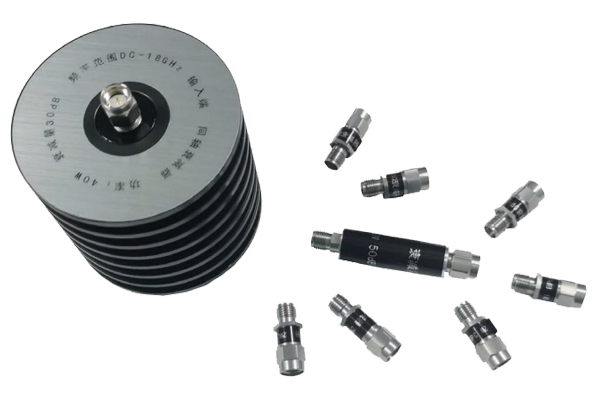
- Directs reflected energy away from main signal path or into dummy load
- Prevents reflected power from re‑entering oscillator or amplifier stages
- Maintains system stability and prevents hardware failure from excessive standing waves