






How do coaxial switches realize signal switching
Coaxial Switches
Precision RF Signal Routing
Seamless redirection · Low loss · High isolation
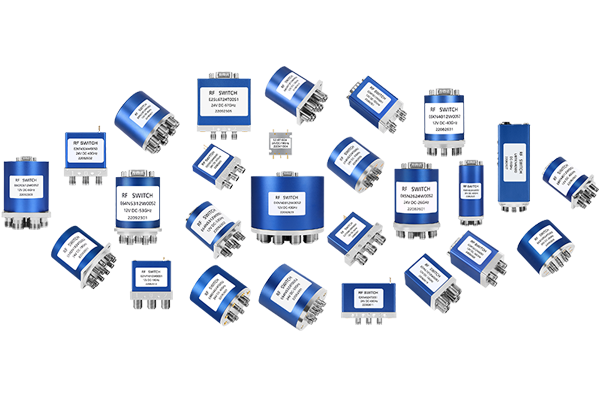
Coaxial switches are indispensable components in RF systems, enabling precise control over signal routing.
Their ability to seamlessly redirect high-frequency signals makes them essential in communication networks,
test instrumentation, and beyond. Understanding how they achieve this requires examining their design,
components, and switching mechanisms.
Core Architecture: Coaxial Precision
- Leverages coaxial cable structure — central conductor, insulator & outer conductor
- Minimal signal loss and interference through inherent shielding
- Movable contacts inside coaxial housing enable path redirection
- Contacts establish or sever connections between input/output ports with precision
Actuation Dynamics: Triggering the Process
- External actuation via electromagnetic solenoids or motorized systems
- Actuator displaces internal components (spring-loaded contacts / plungers)
- Motion aligns contacts with designated ports, establishing electrical continuity
- Precision engineering ensures swift, repeatable actuation with low contact resistance
Contact Technology: Reliable Signal Transition
- Durable gold‑plated surfaces minimize resistance & maximize lifespan
- SPST offers binary on/off control; SPMT routes signals among multiple paths
- Contacts transition from open‑circuit (isolating) to closed‑circuit configurations
- Tight mechanical tolerances preserve signal integrity during switching
Performance Optimization: Key Attributes
- Low insertion loss minimizes signal attenuation
- High isolation prevents leakage between signal paths
- Fast switching speed for dynamic RF environments
- EMI shielding & high‑precision machining ensure consistent wideband performance (DC to microwave)
In essence, coaxial switches achieve signal switching through coordinated mechanical actuation and precise contact alignment within their coaxial architecture. By combining robust materials, intelligent designs, and stringent tolerances, these devices ensure seamless RF signal routing — serving as the linchpin for modern communication and electronic systems.