


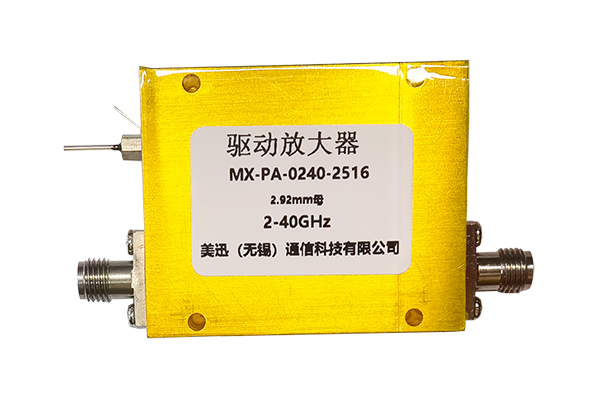




How an RF Power Divider Works
1. Core Power Distribution Mechanism
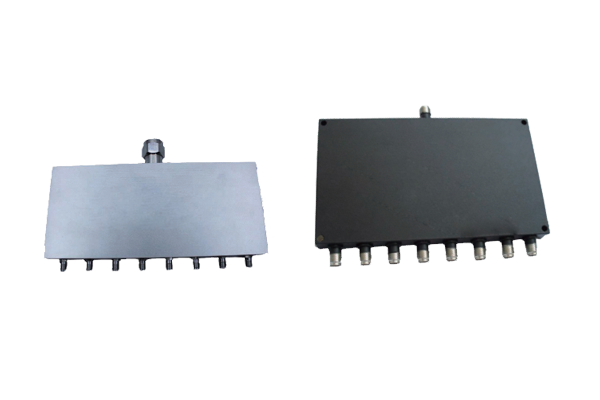
- The RF power divider uses an internal coupling structure to split the RF power at the input port, achieving uniform or non-uniform distribution according to system requirements.
- Its internal structure guides the energy distribution of the RF signal, ensuring that the amplitude and phase of each signal after splitting meet the usage requirements.
- This avoids power waste or system performance abnormalities caused by uneven distribution.
2. Impedance Matching Ensures Transmission
- During operation, impedance matching between the input and output ports must be ensured to reduce signal reflection loss.
- By optimizing the internal circuit design, the device impedance is kept consistent with the system impedance, ensuring that the input power can be efficiently transmitted to the output port.
- This avoids interference from reflected signals to the original signal transmission and ensures the accuracy of power distribution.
3. Signal Isolation to Prevent Interference
- Good isolation between output ports is crucial for stable operation.
- During operation, the isolation structure suppresses signal crosstalk between output ports, preventing one output signal from leaking back to other ports.
- This avoids interference from affecting power distribution and ensures the independence of each output signal.
4. Energy Loss Control Principle
- Power distribution involves energy loss, and its operating principle includes loss control design.
- By selecting low-loss materials and optimizing the structural layout, energy loss during signal transmission is reduced.
- Simultaneously, the power distribution accuracy and loss magnitude are balanced to ensure that the distributed power meets the usage requirements of each port in the system, maintaining stable system operation.