


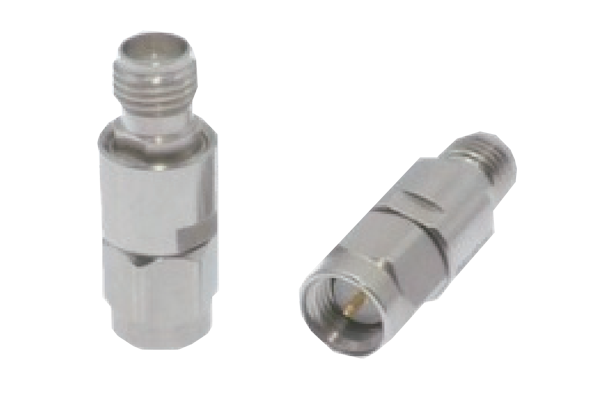
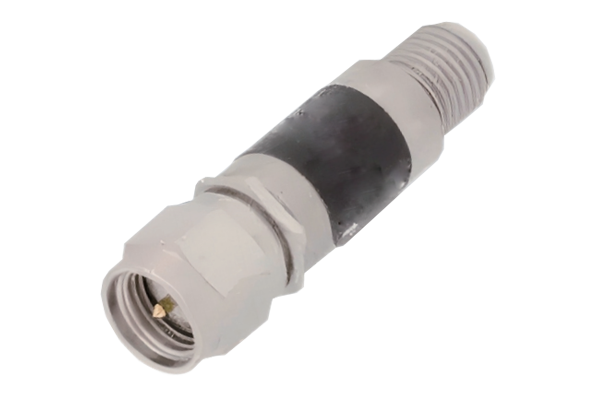
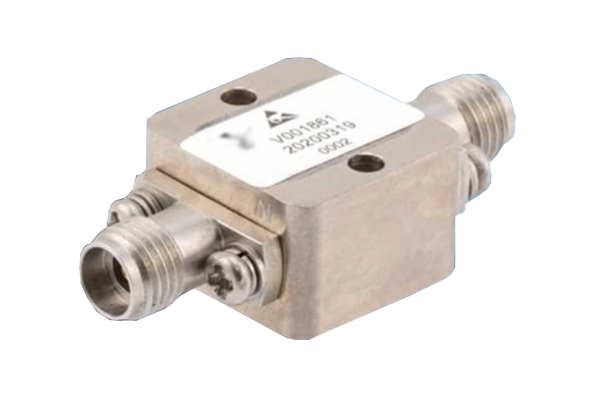
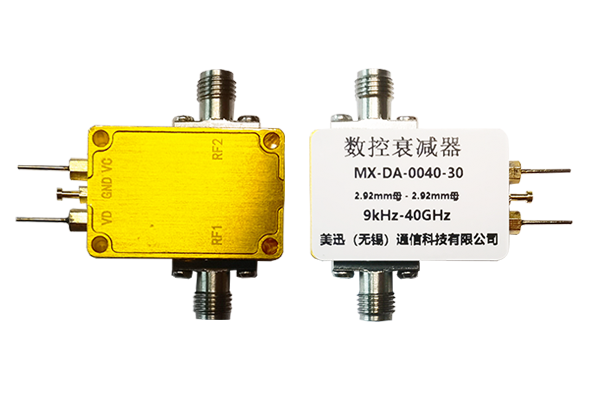




Can a Fixed Attenuator Be Used Long-Term
1. Fundamental Quality
- Device quality is the core prerequisite for long‑term usability. High‑quality fixed attenuators use high‑performance passive materials, standardized processes, and a stable internal structure.
- They withstand long‑term signal transmission loss with minimal component aging or performance degradation, enabling stable operation over extended periods.
- Inferior devices use poor materials and rough manufacturing, resulting in easily damaged internal structures that cannot endure normal working loads for long, making sustained use difficult.
2. Environmental Adaptability
- The operating environment directly affects long‑term feasibility. In dry, well‑ventilated, temperature‑stable, and non‑corrosive conditions, device aging is slow, effectively extending service life.
- Prolonged exposure to high temperature, humidity, dust, or corrosive environments accelerates casing oxidation and internal component wear, shortening lifespan and preventing long‑term use.
3. Proper Maintenance
- Reasonable maintenance is crucial for long‑term usability. Regularly cleaning surface dust, checking interface connections to prevent poor contact and oxidation, storing in suitable environments, and promptly identifying potential faults effectively delay aging.
- Neglecting maintenance leads to dust accumulation, interface aging, and unresolved faults, accelerating device damage and preventing long‑term operation.
4. System Compatibility
- Compatibility with the overall signal system affects long‑term stability. When the attenuator parameters perfectly match the signal source and receiving equipment, transmission is smooth, loss is minimal, and device load is balanced, allowing stable long‑term operation.
- Parameter mismatches cause excessive load, performance abnormalities, and accelerated aging, making long‑term use difficult and potentially damaging the device.