






How to design a coaxial switch with a built - in diagnostic function
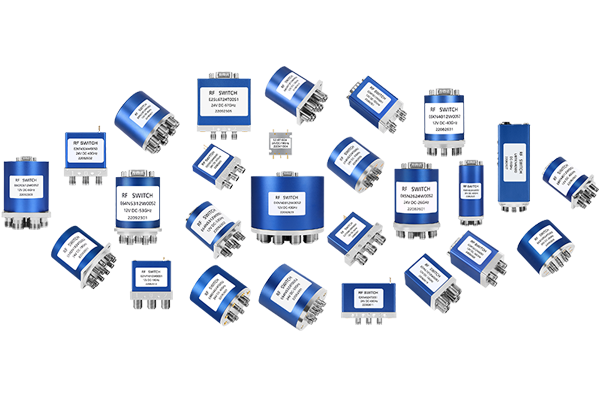
Coaxial Switch with Built-In Diagnostic Functions
Designing a coaxial switch with diagnostic capabilities involves integrating sensors, real-time monitoring, and feedback systems to assess performance and enable predictive maintenance.
1. Sensor Integration
- Current/Voltage sensors to detect overloads or bias faults
- Temperature sensors (e.g., RTDs) to monitor hotspots
- For electromechanical switches: position encoders (e.g., Hall-effect sensors) to track contact alignment and detect sticking
Implementation Tip: Place sensors at critical junctions near RF paths and moving components
2. RF Performance Monitoring
-
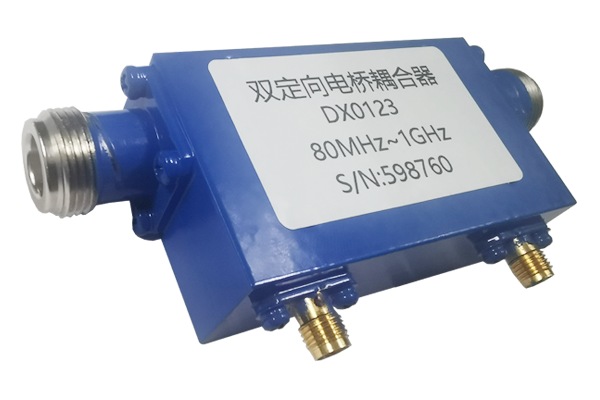
Directional couplers or power detectors to measure:
- Insertion loss
- VSWR (threshold alert at >1.5:1)
- Isolation
- Timing circuits to monitor switching speed and detect mechanical wear in relays
Example: Sudden VSWR spike indicates impedance mismatches from damaged components
3. Data Processing & Communication
- Microcontroller (e.g., ARM Cortex-M) for sensor data analysis
- Communication via I²C/SPI or industrial protocols (e.g., Modbus)
-
Predefined thresholds for:
- Temperature (>85°C)
- Insertion loss (>1 dB)
- Trend analysis for predictive maintenance (e.g., contact erosion in relays)
4. Fault Detection & Self-Test
- Self-test routines (e.g., auto-calibrating against baseline S-parameters)
- Optocouplers to isolate diagnostic circuits and prevent interference
-
Compact designs using:
- MEMS sensors
- Multi-layer PCBs
- Ruggedized for harsh environments (-40°C to +85°C)
System Benefits
- Real-time health monitoring of critical parameters
- Reduced downtime through early fault detection
- Predictive maintenance capability
- Enhanced reliability in telecom, aerospace, and industrial automation
This smart switch design transforms conventional coaxial switches into intelligent devices capable of self-diagnosis and performance optimization, significantly improving system reliability and maintenance efficiency.